
Smallmouth Bass Fishing The Rio Grande
We are experiencing one of the lowest water years in recent memory, and trout fishing opportunities have been very limited this summer. The Rio Grande has only been fishing well—primarily through the Gorge—for the first couple of hours each morning before water temperatures reach the critical 68°F mark. Most of our go-to high mountain streams are also experiencing extremely low flows. The Rio Costilla, which typically sees releases of 30–40 CFS from the reservoir, has recently been running at less than 5 CFS. The Rio del Pueblo off Highway 518 is also exceptionally low.
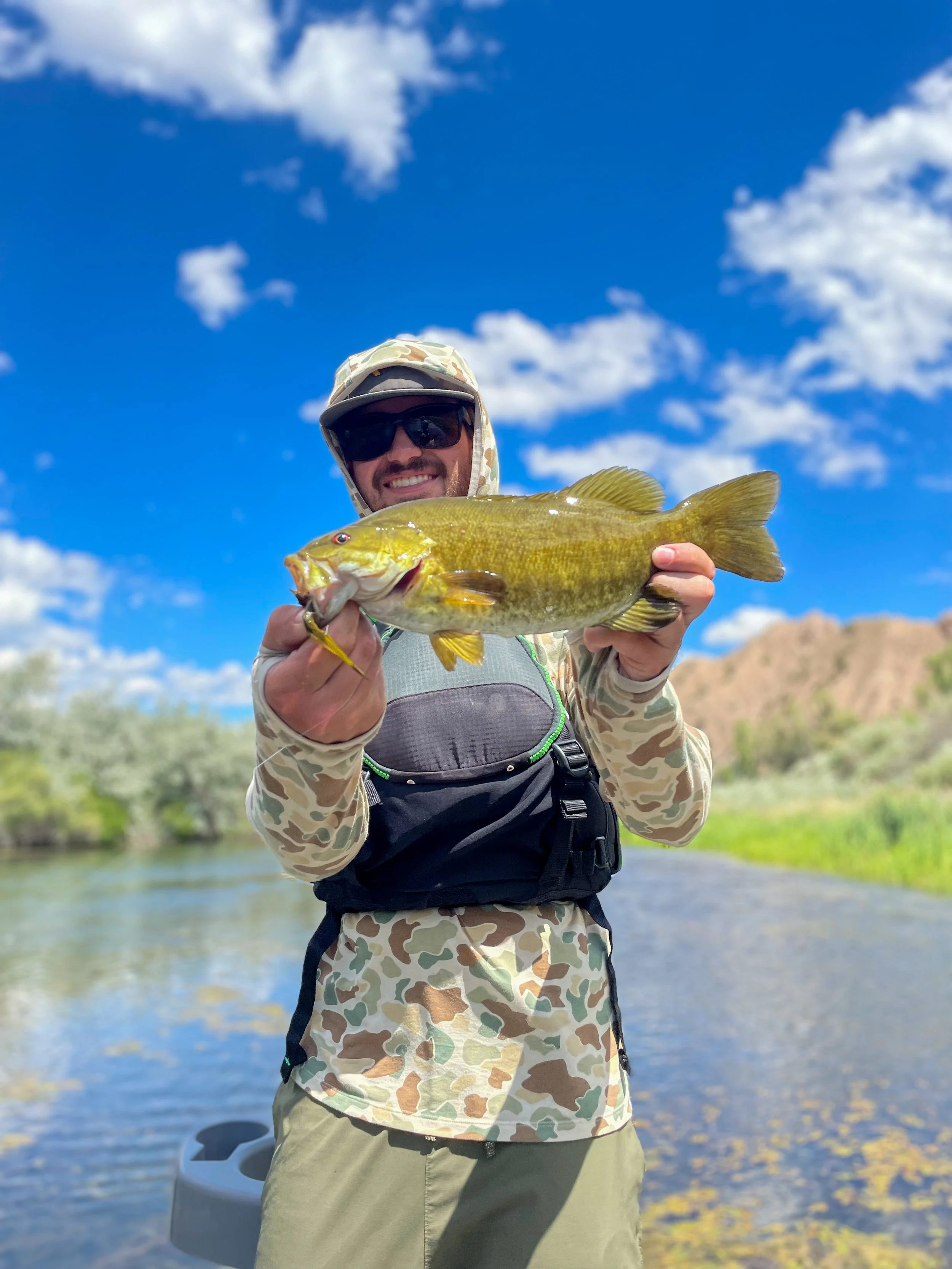
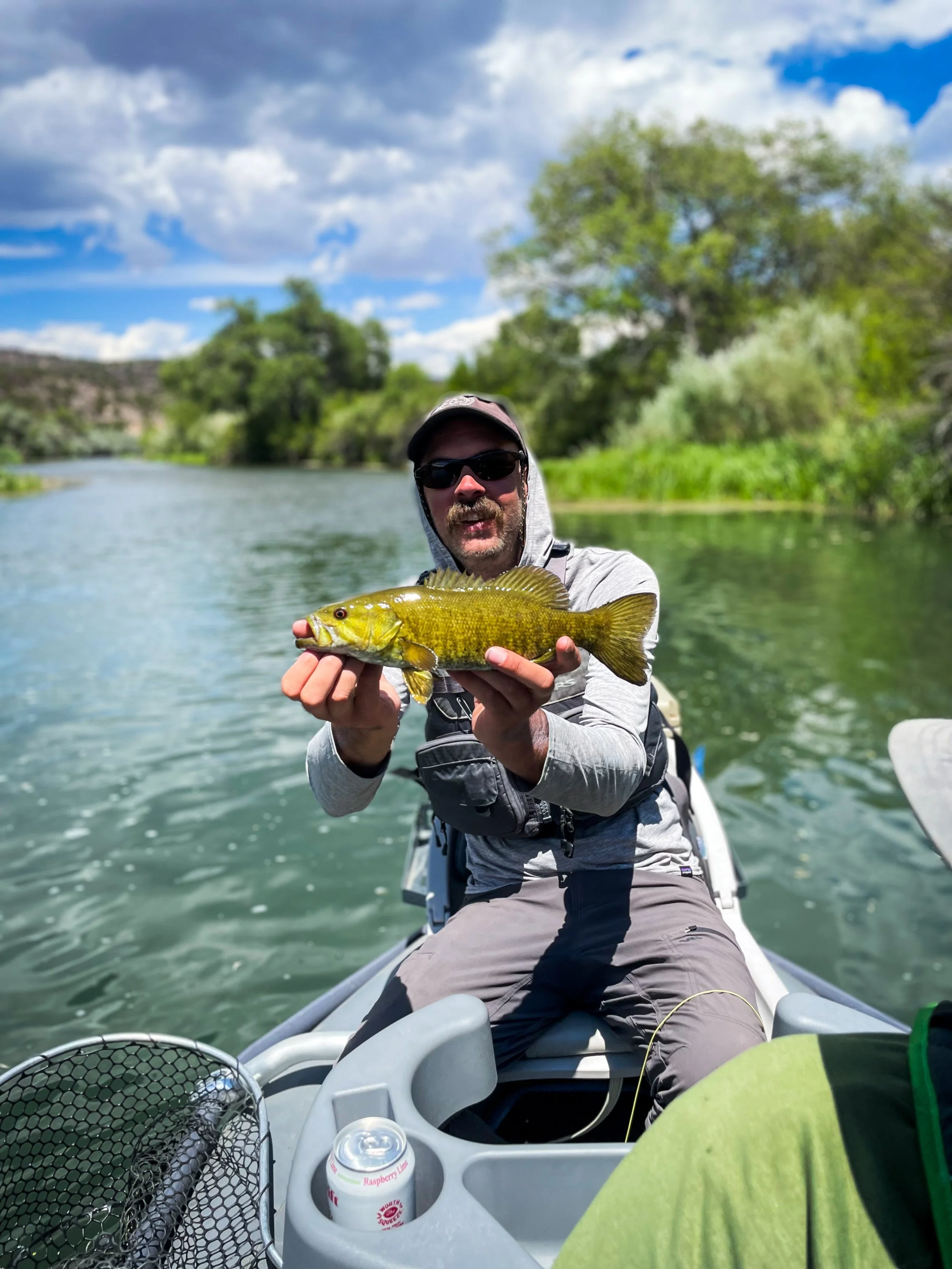
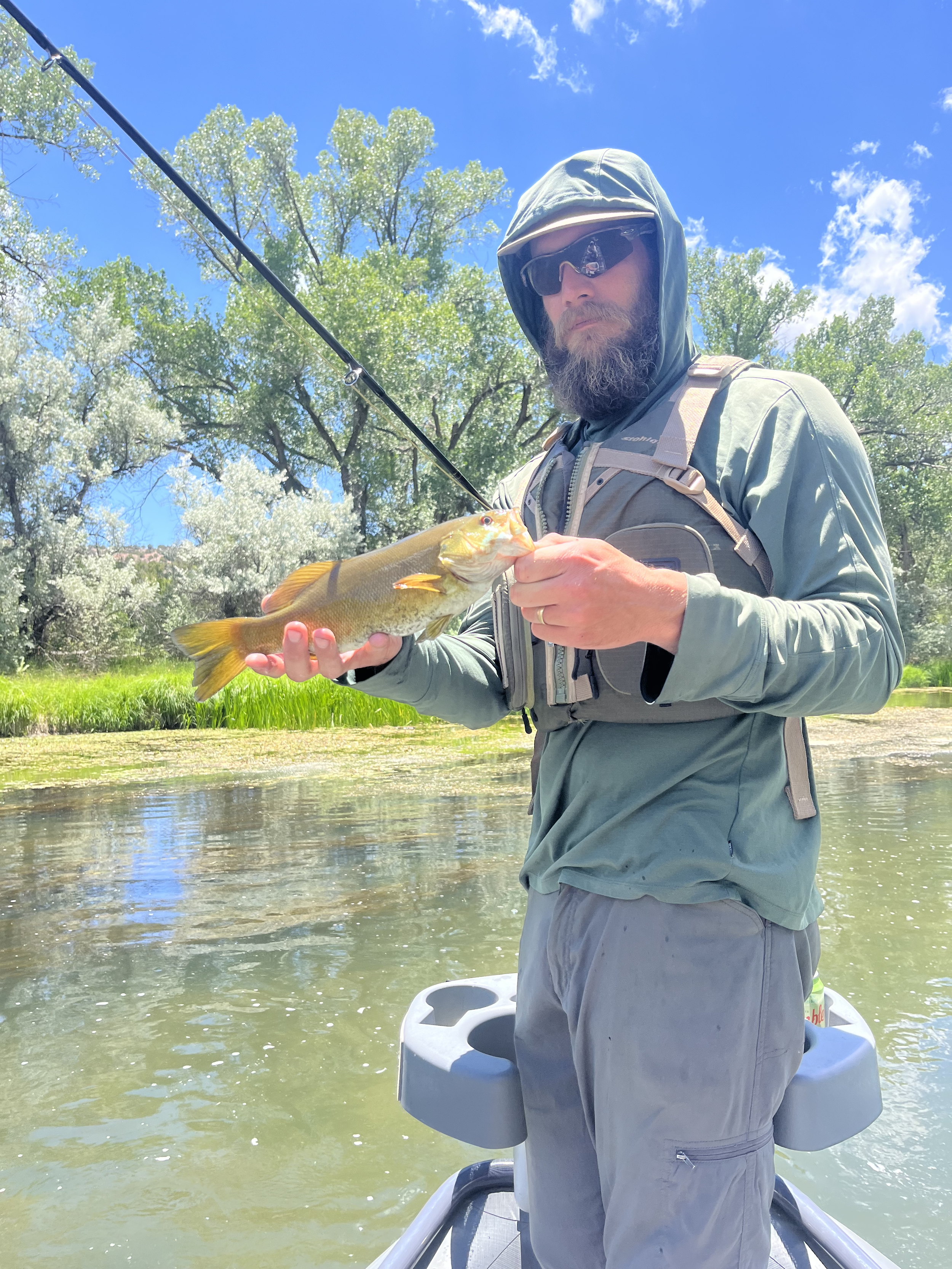
With that being said, our smallmouth bass fishing on the lower stretches of the Rio Grande has been exceptional. Smallmouth bass handle warmer water temperatures very well and are naturally aggressive, making them one of the most exciting fish to target on a fly rod. While they aren't native to the region—and opinions on their presence in the Rio vary depending on who you ask—we've had a lot of fun chasing them here at Ramblin' Fly Fishing. We're starting to see some quality fish show up, and they'll put a serious bend in your rod and give you an impressive fight. Plus, it's hard not to love a fish that absolutely crushes a surface popper.
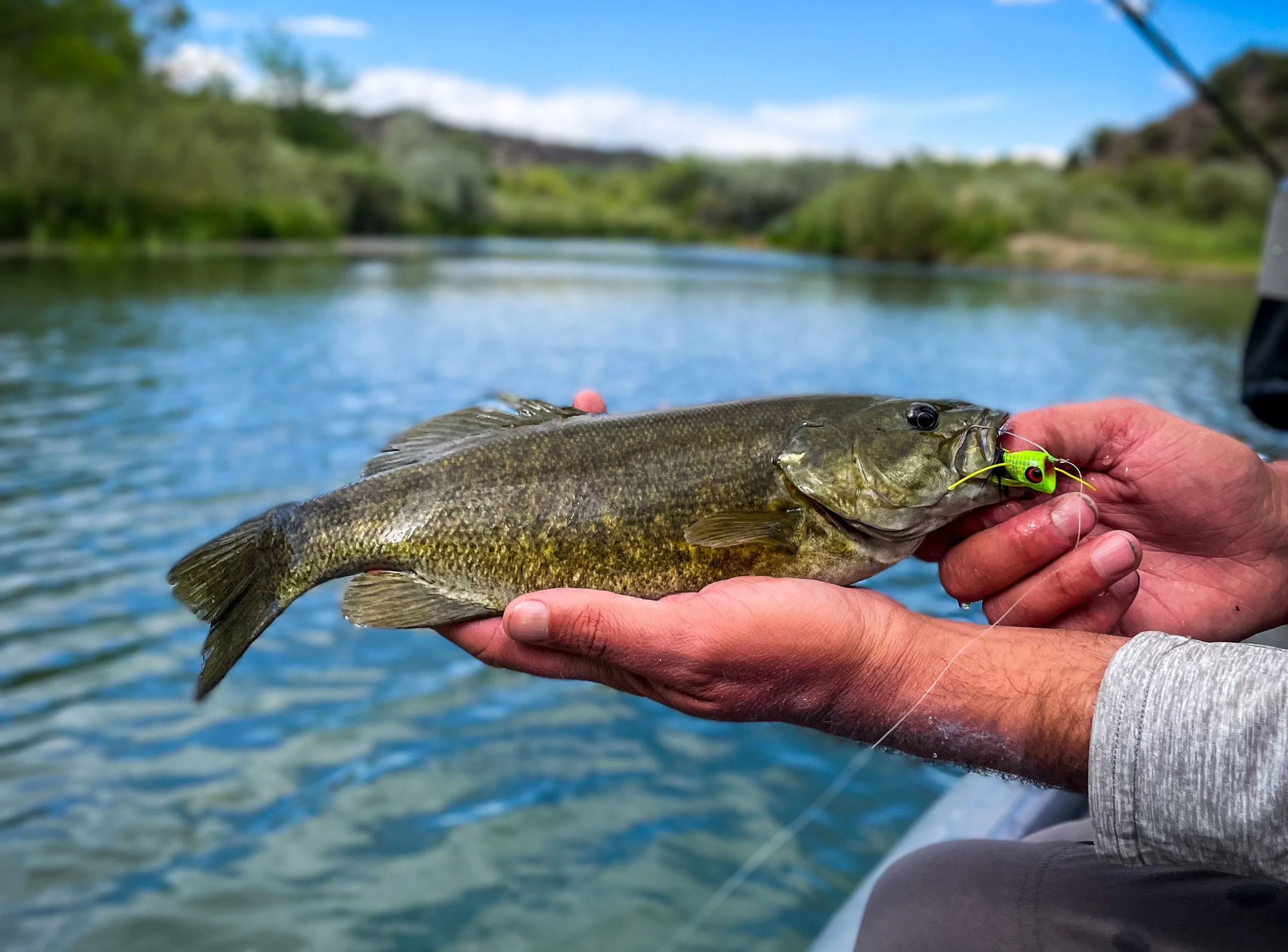
We typically start by fishing the surface with a variety of poppers, including barrelhead poppers and divers. Let the fish tell you whether they're willing to come all the way up. Some days the topwater bite lasts all day, while other times it's more of an evening game. Don't feel like you need oversized flies like you might throw for largemouth bass. I typically fish sizes 2–6 in colors like yellow, olive, black, and brown. And don't forget chartreuse—you know what they say: "If it ain't chartreuse, it ain't no use."
When the fish aren't looking up, it's time to go subsurface. I like to fish a variety of baitfish patterns that imitate minnows, small suckers, juvenile smallmouth bass, and small trout. Most of the time I keep my flies in the 2–3 inch range, although articulated patterns in the 4–5 inch range can also produce. Vary your retrieve constantly, alternating between faster and slower strips until the fish tell you what they want. Smallmouth are curious and aggressive, and many of their eats are reaction strikes.
Casting around structure is always a good starting point, but don't overlook riffles and faster water. Smallmouth will often tuck in behind rocks in surprisingly swift current. Rather than changing fly patterns constantly, I find it more effective to experiment with color. Olive, white, black, brown, tan, yellow, and chartreuse are all reliable choices. Patterns with a little contrast—such as olive and white or white with a touch of red—can be especially effective. Some of my favorites include rabbit zonkers, Woolly Buggers, Lunch Money patterns, Clouser Minnows, Murdich Minnows, and both single and double Dungeon patterns tied with lead eyes.
If the bass still aren't willing to move, switch to a heavier fly and work the bottom of the water column. Crawfish patterns and weighted baitfish imitations are great choices. Slow your presentation down and keep your fly in the strike zone longer. Other adjustments that can make a difference include lengthening your leader and downsizing your fly. Even a smaller Woolly Bugger can trigger some surprisingly aggressive strikes.
Just because our water is low and warm doesn't mean there isn't good fishing to be had. It may simply mean targeting a different species. You might find yourself becoming a fan of smallmouth bass in the process. They're also a great way to sharpen your streamer fishing skills before brown trout begin getting aggressive ahead of the fall spawn.