About Ramblin’ Fly Fishing
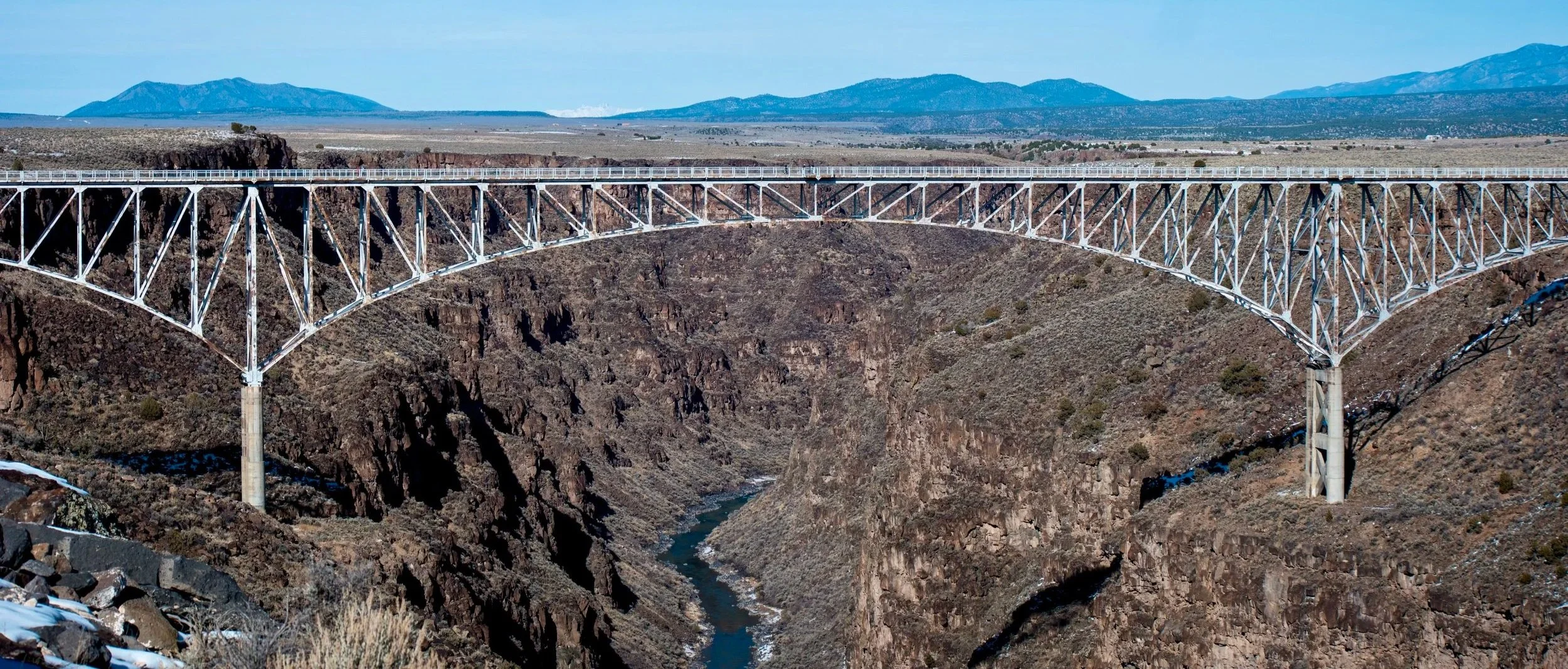
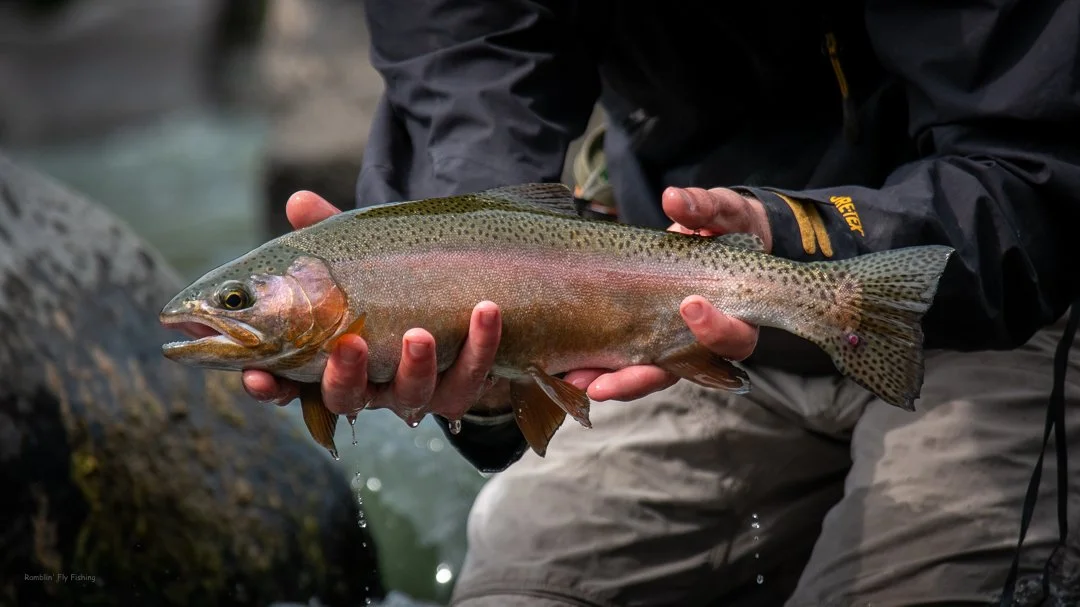
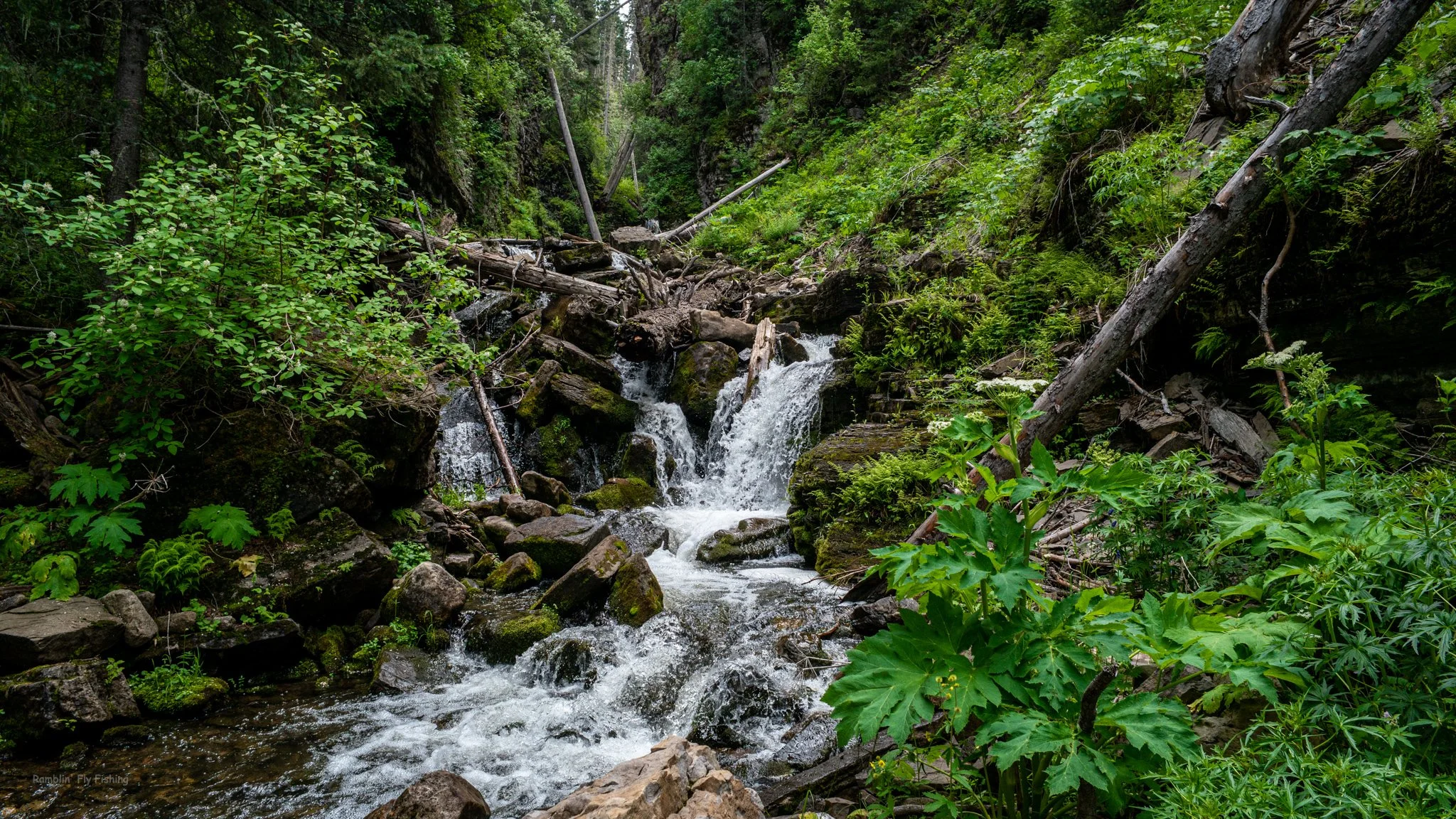
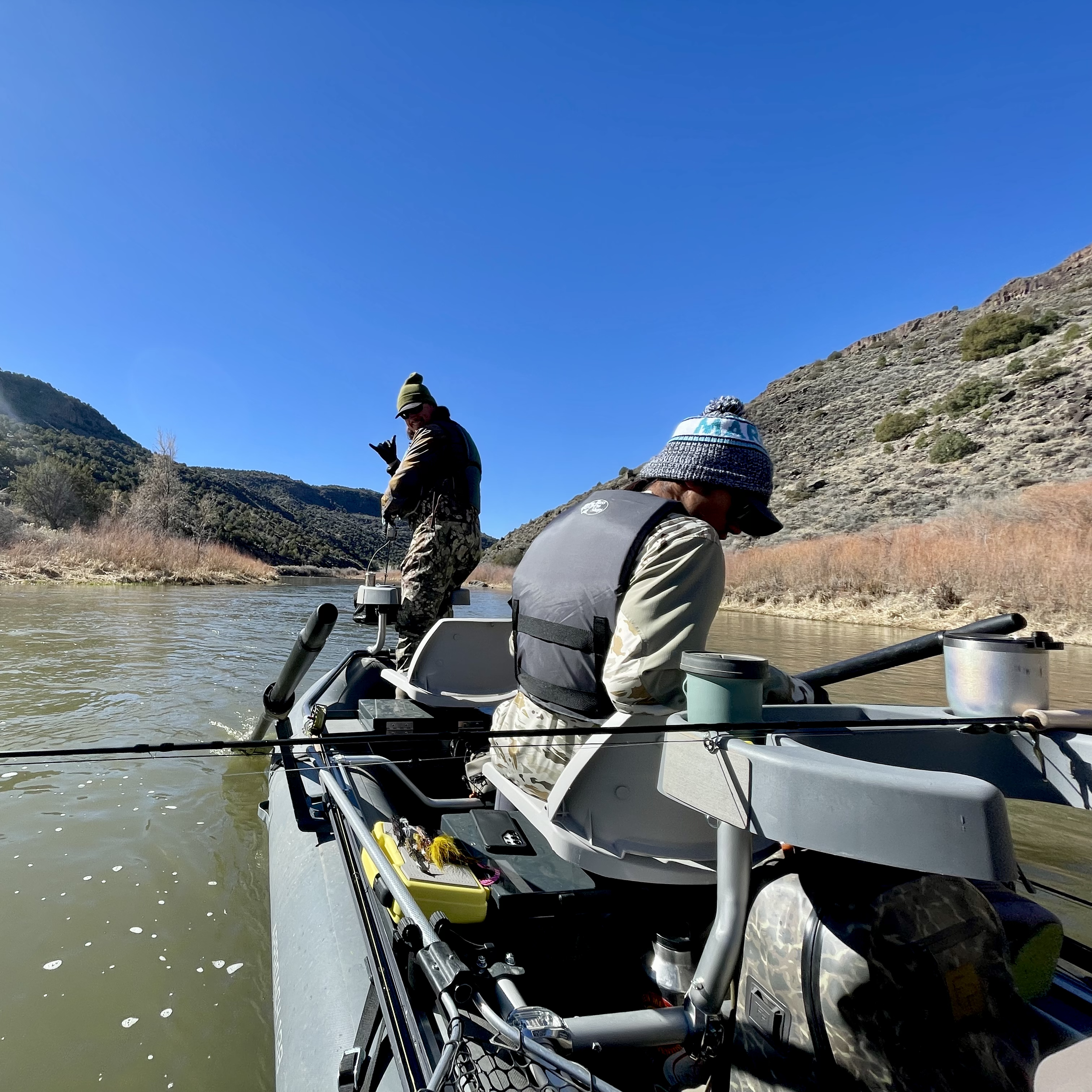
Ramblin’ Fly Fishing is a year-round guide service based out of Ranchos de Taos, New Mexico, which is a small community on the south side of Taos. We specialize in guided trips on the Rio Grande and many other waters in the Taos area. In our opinion, Taos is a must visit destination for fly fishing in the Southwest. With many different angling opportunities, from a big wild river, remote mountain streams, to several lakes, we have more than enough water to keep an angler intrigued most all their life. We have a huge passion for teaching the art of fly fishing and about the dynamic ecosystems that fish live in. We have the experience and knowledge to provide a safe and exciting day on the water. Come on out, let us show you what New Mexico fly fishing is all about. I guarantee you we are always having a good ole time!
We have permits through the BLM-Taos Field Office and The Carson National Forest. Ramblin’ Fly Fishing is fully insured. We are trained in CPR/First Aid.
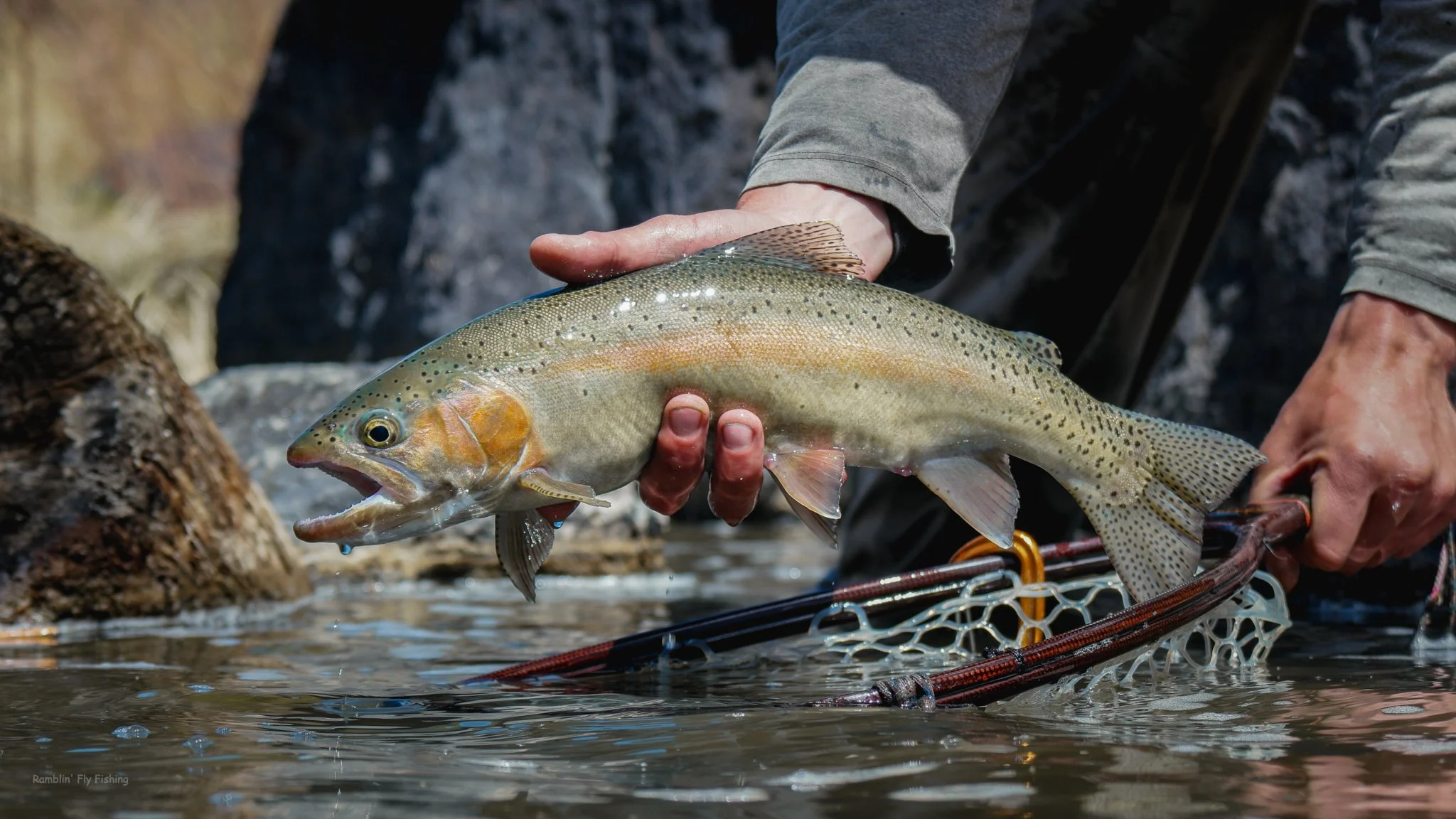
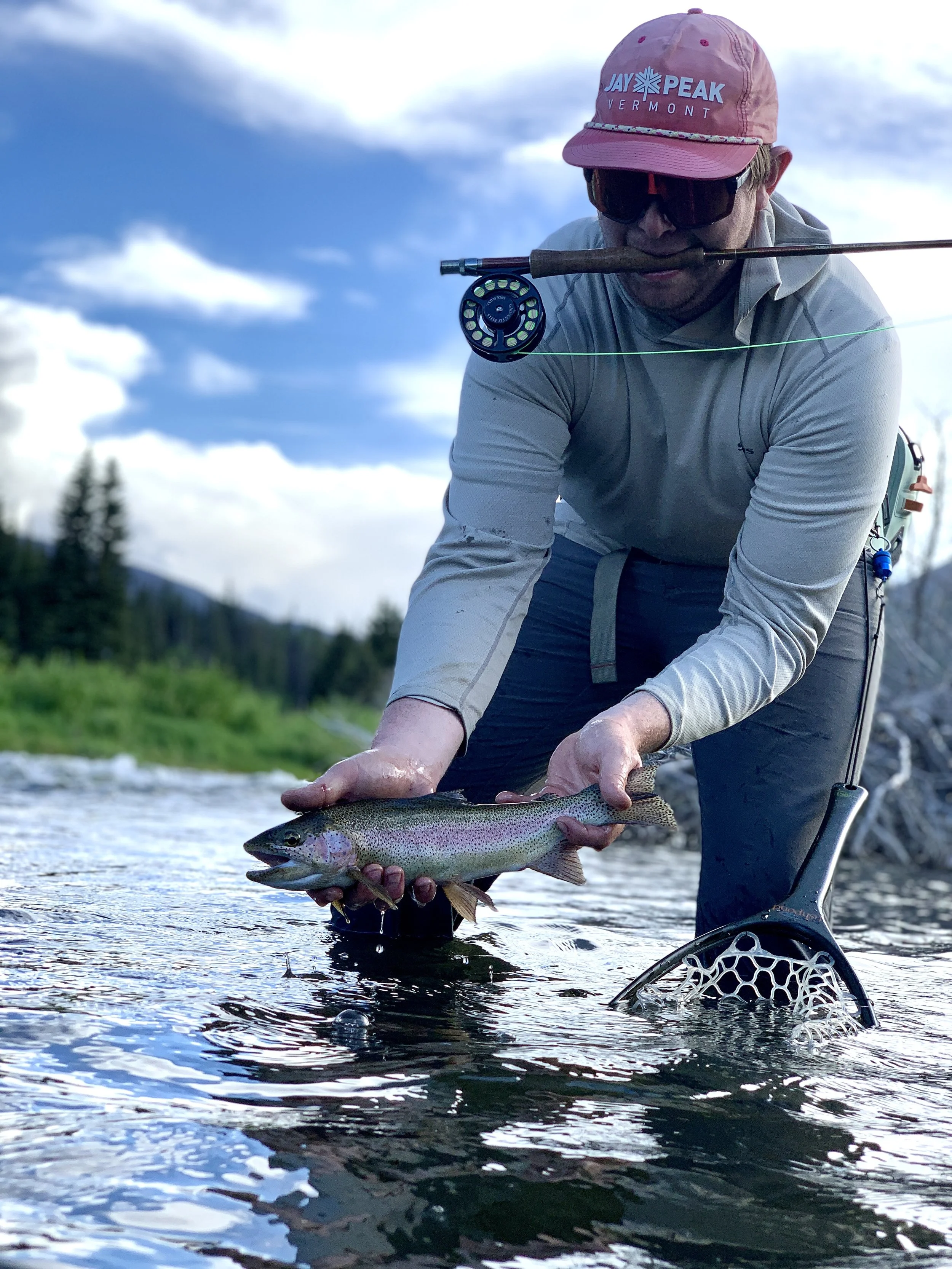
At Ramblin’ Fly Fishing, every trip is designed to be more than an outing—it’s an immersive learning experience on the water. Whether you’re picking up a fly rod for the very first time or refining years of experience, our focus is simple: help you grow as an angler while creating an unforgettable day on the water.
For beginners, we explore the rich history of fly fishing, learn essential casting techniques, gain insight into aquatic insect life, and develop the skills to confidently land and handle your first fish. No prior experience is needed—just curiosity and a sense of adventure.
For seasoned anglers, we offer a deeper level of instruction tailored to your goals. From mastering technical dry fly presentations to exploring streamer strategies, euro nymphing (tightlining), and stillwater approaches, we provide the expertise to elevate your skills and expand your versatility.
Wherever you are in your fly fishing journey, Ramblin’ Fly Fishing invites you to step into the current, learn something new, and experience the water in a way that keeps you coming back for more.
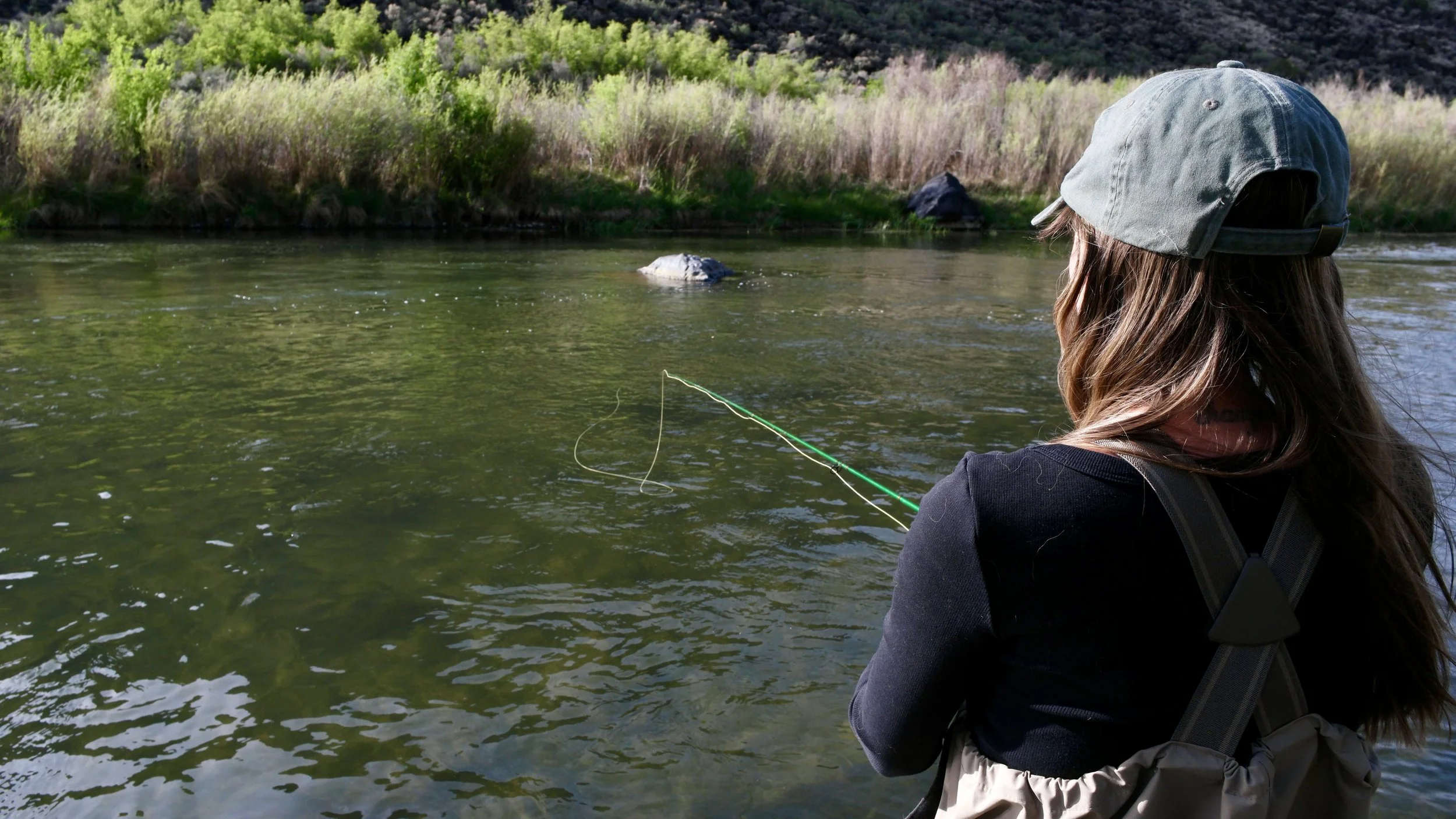
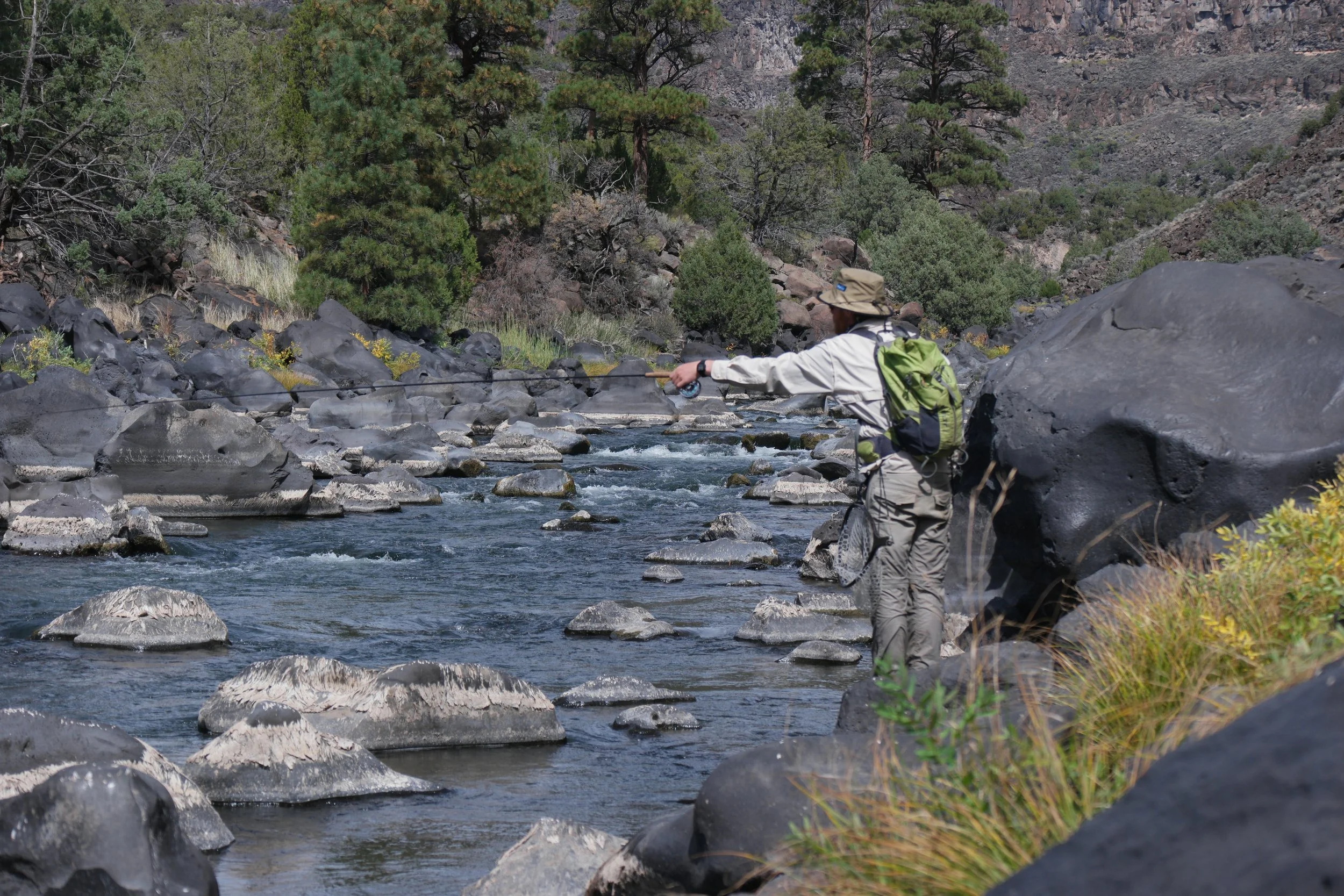
Specialized Trips
Please click on each technique below to view a detailed description.
-
Dry fly fishing is far more nuanced than simply applying floatant, casting upstream, and allowing the fly to drift back. Success often hinges on subtle variables—presentation, drift, leader configuration, and the behavior of selective fish. At times, trout will rise confidently; at others, they may inspect your fly closely only to refuse it at the last moment. Understanding how to adapt in these situations is what separates a good angler from a great one.
This specialized trip is designed to refine your approach when conditions become technical. You’ll learn how to properly rig leaders and tippet for optimal presentation, explore advanced casting techniques that position your line with precision, and develop the skills needed to achieve a natural, drag-free drift. The focus is on reading the water, adjusting to fish behavior, and executing with intent—so when the moment comes, you’re ready to convert interest into a take.
-
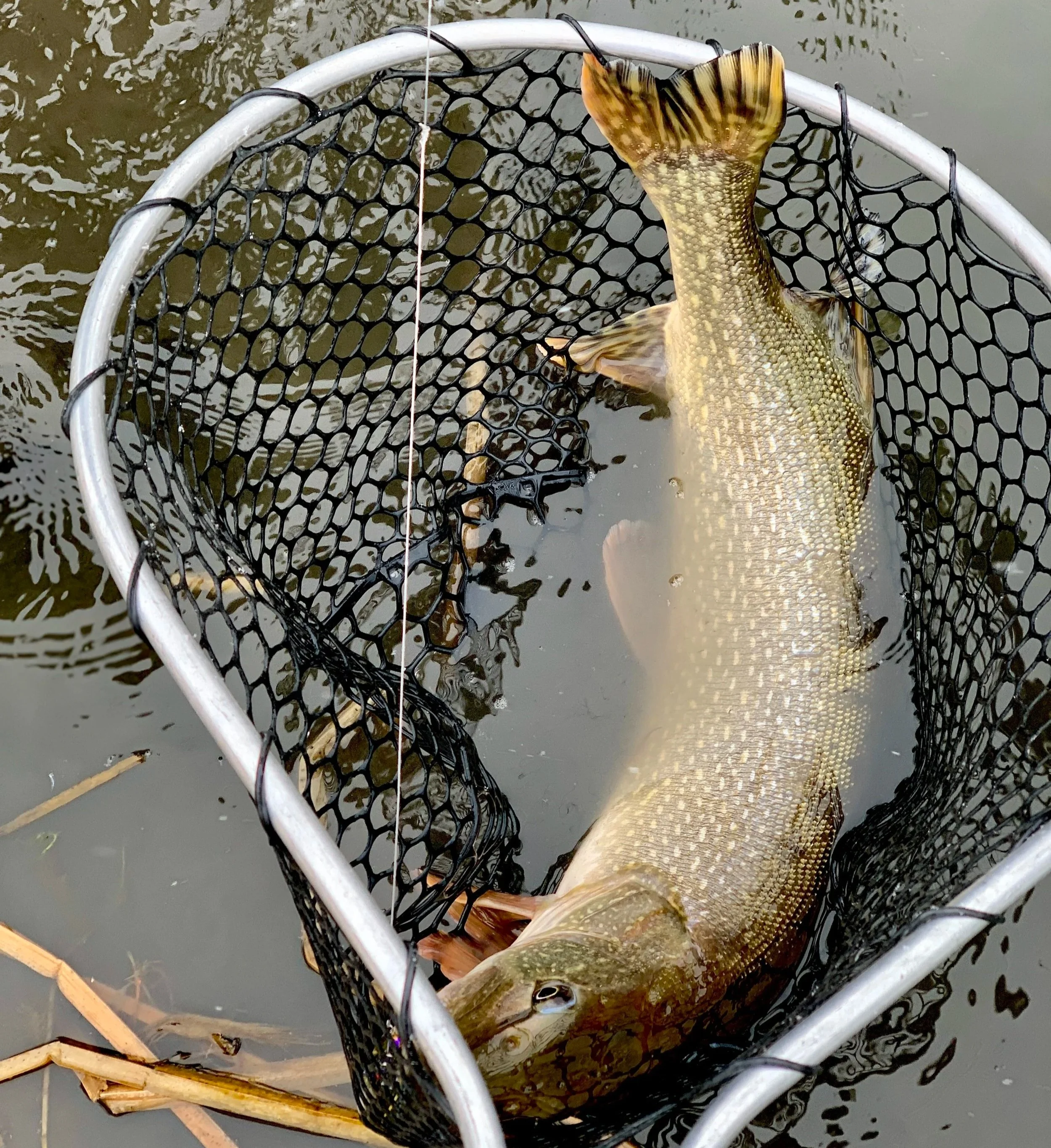
Streamer fishing is widely known for producing larger, more aggressive fish—but consistent success requires more than simply casting and retrieving. When fish are unwilling to chase indiscriminately, presentation, timing, and fly selection become critical. “Matching the hatch” extends beyond aquatic insects; it can mean presenting patterns that imitate crayfish during periods of activity, or targeting predatory behavior with flies that resemble juvenile trout in their fry stage.
This trip is designed to help anglers develop a strategic and effective streamer approach. You’ll learn how to rig for both floating and sinking lines, select flies based on conditions and fish behavior, and refine retrieve techniques to create lifelike movement that triggers strikes. We’ll also focus on reading water and identifying where larger fish are likely to hold.
Streamer fishing often requires patience and persistence, as covering water and searching for quality fish can be a deliberate process. However, when it comes together, the reward can be exceptional—powerful takes and the opportunity to connect with truly memorable fish. And on the right day, when conditions align, you may find fish eager to chase nearly anything that enters their zone.
-
Euro nymphing—also known as tightlining or the mono rig—originated in the competitive world of international fly fishing and has become one of the most effective modern techniques for consistent success. While opinions vary, we view it as an essential and highly versatile tool in any angler’s skill set.
This approach extends well beyond simply drifting nymphs. The system can be adapted for dry-dropper setups and even smaller streamer presentations, offering flexibility across a range of conditions. Utilizing longer rods (typically 10–11 feet) paired with thinner lines and specialized leaders, euro nymphing emphasizes direct contact, sensitivity, and precise control.
On this trip, you’ll learn how to properly rig your setup, including building and fishing a tag-end system for multiple flies. We’ll also focus on casting and line management techniques to effectively present this lightweight system, along with maintaining consistent contact and achieving a natural drift throughout each presentation. The goal is to give you the confidence and technical understanding to apply this highly effective method on any water you fish.
-
Stillwater fly fishing for trout has grown rapidly in popularity across the United States—and for good reason. Lakes present a unique and rewarding challenge, requiring a different approach than traditional river fishing. Without current to carry your fly, success depends on your ability to understand fish movement, depth, and presentation, as trout actively move to intercept your offering.
Aquatic life in stillwater environments differs significantly from that of rivers, both in species and behavior. Understanding how these food sources live, migrate, and emerge is key to consistent success.
This trip is designed to build a strong foundation in stillwater techniques. You’ll learn how to properly rig your setup, cast effectively with longer leaders, and present flies in a way that imitates natural movement. We’ll also cover how trout behave in lake environments and how to identify and match the primary food sources found in these waters. The goal is to equip you with the knowledge and skills needed to confidently approach and fish stillwater systems.
If any of these trips interest you, please reach out to schedule a specialized trip. You may also include a note when booking, and we will follow up with you to discuss the details further.
In accordance with Federal civil rights law and U.S. Department of Agriculture (USDA) civil rights regulations and policies, the USDA, its Agencies, offices, and employees, and institutions participating in or administering USDA programs are prohibited from discriminating based on race, color, national origin, religion, sex, disability, age, marital status, family/parental status, income derived from a public assistance program, political beliefs, or reprisal or retaliation for prior civil rights activity, in any program or activity conducted or funded by USDA (not all bases apply to all programs). Remedies and complaint filing deadlines vary by program or incident. Persons with disabilities who require alternative means of communication for program information (e.g., Braille, largeprint, audiotape, American Sign Language, etc.) should contact the State or local Agency that administers the program orcontact USDA through the Telecommunications Relay Service at 711 (voice and TTY). Additionally, program information may be made available in languages other than English. To file a program discrimination complaint, complete the USDA Program Discrimination Complaint Form, AD-3027, found online at How to File a Program Discrimination Complaint and at any USDA office or write a letter addressed to USDA and provide in the letter all of the information requested in the form. To request a copy of the complaint form, call (866) 632-9992. Submit your completed form or letter to USDA by: (1) mail: U.S. Department of Agriculture, Office of the Assistant Secretary for Civil Rights, 1400 Independence Avenue, SW, Mail Stop 9410, Washington, D.C. 20250-9410; (2) fax: (202) 690-7442; or (3) email: program.intake@usda.gov. USDA is an equal opportunity provider, employer, and lender.