
Fly Fishing the High Country around Taos
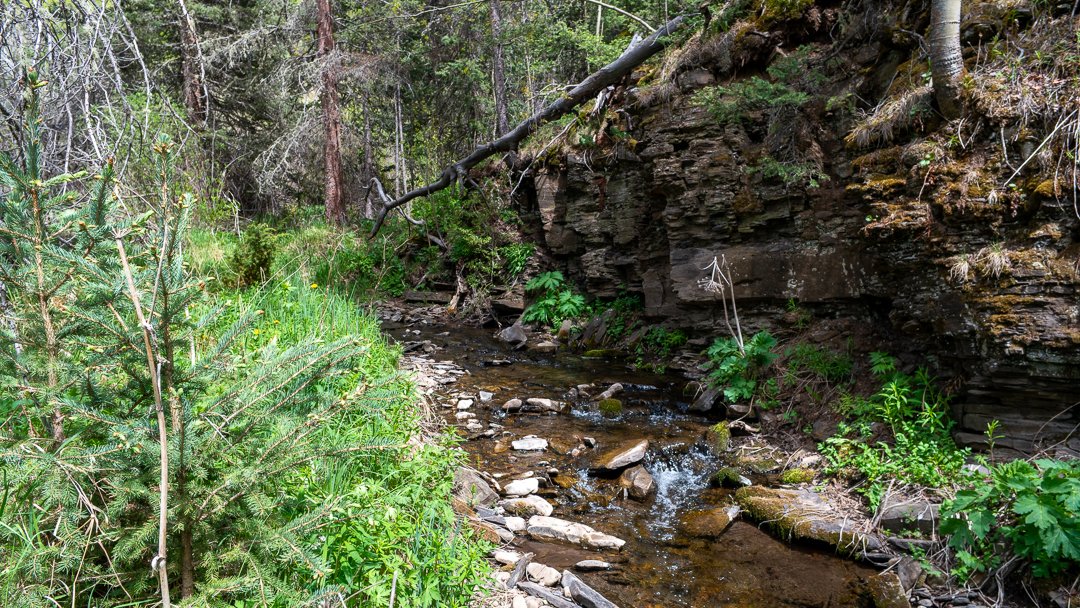
While the Rio Grande gets most of the attention in the Taos area, we’re fortunate to have miles and miles of native and wild trout streams tucked away in the mountains. From the Sangre de Cristo range to the east to the Tusas Mountains to the west, these creeks offer solitude, beautiful scenery, and some of the most enjoyable dry fly fishing around. For many anglers, this is the kind of fishing they dream about all winter long.
Because most of our streams are relatively small, fly selection and gear are usually pretty straightforward. The challenge often lies more in your approach than your equipment. A stealthy presentation can make all the difference. Some stretches are open and meadow-like, while others are lined with overhanging brush and trees that require roll casts or, more often than not, a bow-and-arrow cast to get your fly where it needs to be.
Most of these streams are shallow, making a single dry fly all you really need. While trout continue to feed on nymphs below the surface, they rarely pass up an easy meal drifting overhead. In shallow water, fish don't have to move far to intercept a fly, making dry fly fishing both effective and incredibly fun.
Recommended Gear
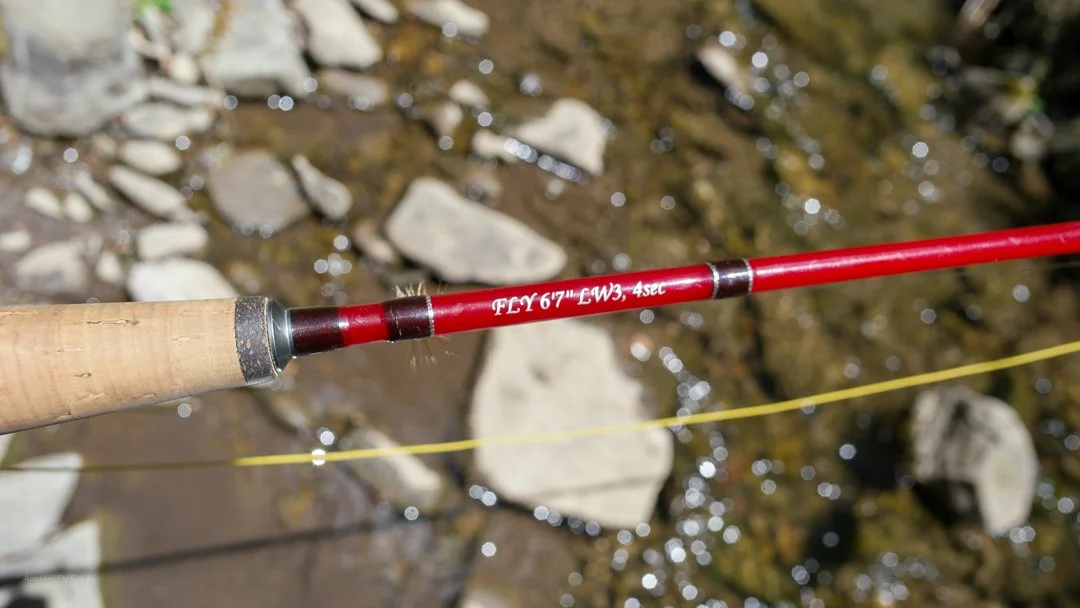
Depending on the size of the creek and the surrounding vegetation, we generally recommend a 2–4 weight rod in the 7'–8' range. For the smallest high-elevation creeks—especially those holding Rio Grande Cutthroat Trout—a shorter rod in the 6'–6'6" range can be ideal.
For leaders, I typically fish 3X–4X and like to match the leader length to the length of my rod. Long leaders aren't necessary on these small streams since you're usually fishing compact pockets and pools. A 4X–5X tippet is perfect for most situations.
One of the great things about these fish is that they aren't usually very selective. Their growing season is short compared to lower-elevation trout, so they're highly opportunistic and less likely to let a meal drift by. Caddis, mayflies, ants, small hoppers, and smaller stoneflies all produce well, generally in sizes 12–18. As long as your fly matches the profile of what's naturally available, you'll find success.
When you come across a pool that's deep enough to warrant a dropper, keep it simple. A single nymph suspended 6–18 inches below your dry fly is usually all you need, depending on the depth of the water. Don't overthink your nymph selection either—a Hare's Ear, Pheasant Tail, Frenchie, or something similar will typically get the job done.
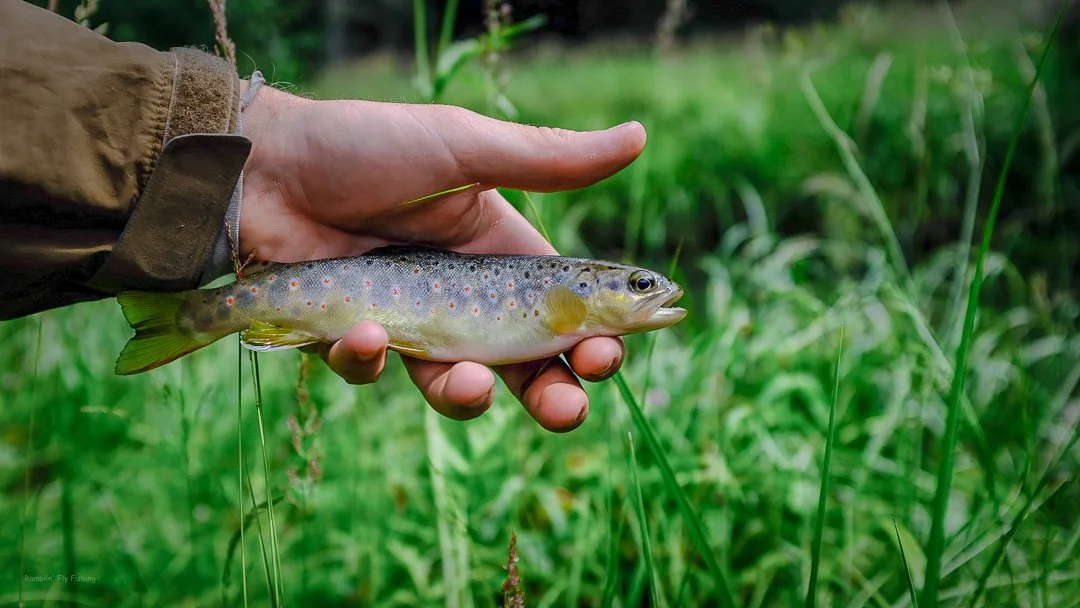
As you approach a run or pocket water, pay attention to structure. Overhanging vegetation, undercut banks, and any cover that provides protection are prime holding areas for the better fish in the system. While these small-stream trout may not be known for their size, they more than make up for it in numbers, willingness to eat, and sheer beauty.
If you're looking for a day of solitude, stunning mountain scenery, and eager wild trout willing to rise to a dry fly, it's hard to beat our local creeks.