
Waters We Fish
The Rio Grande
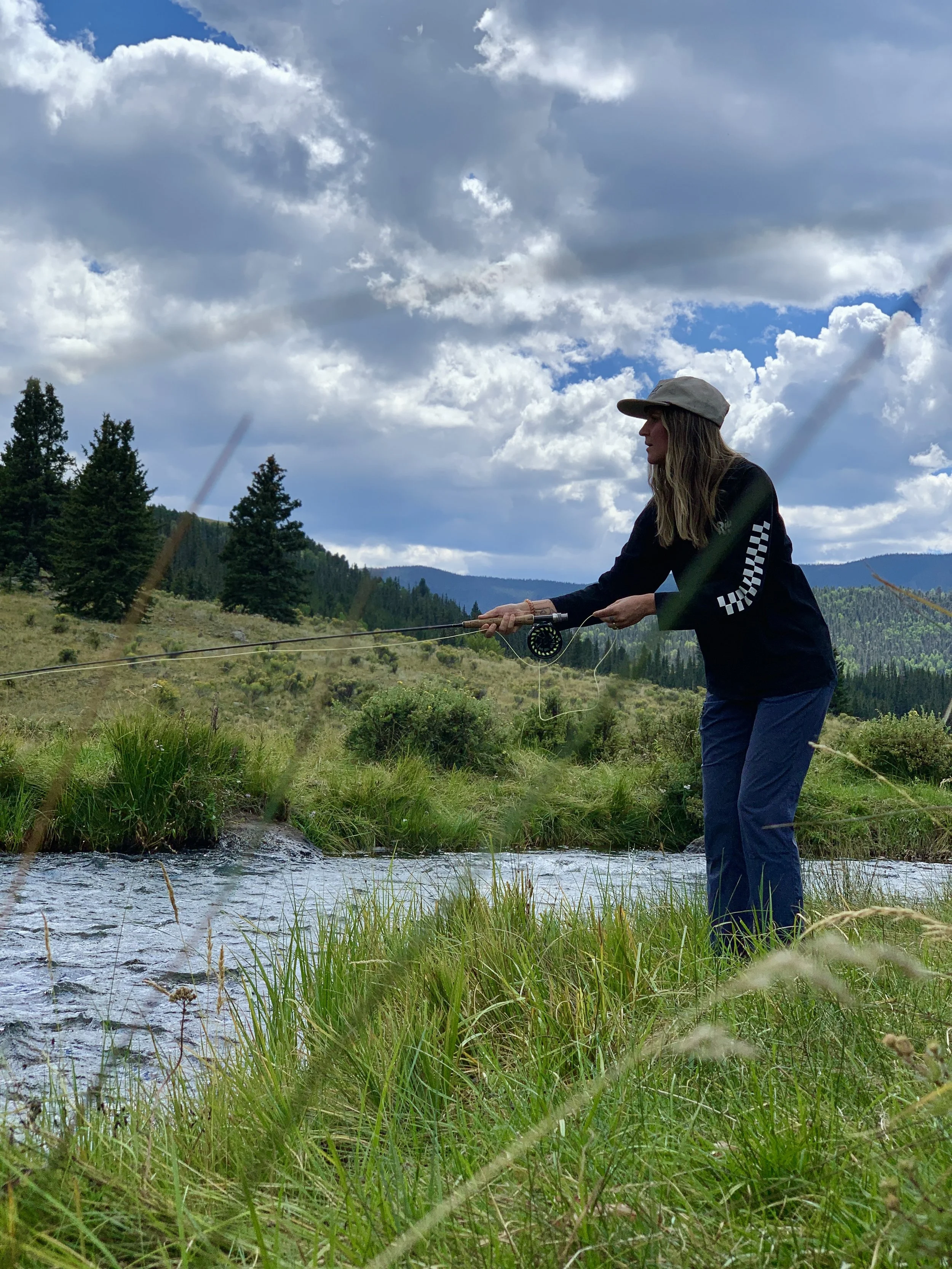
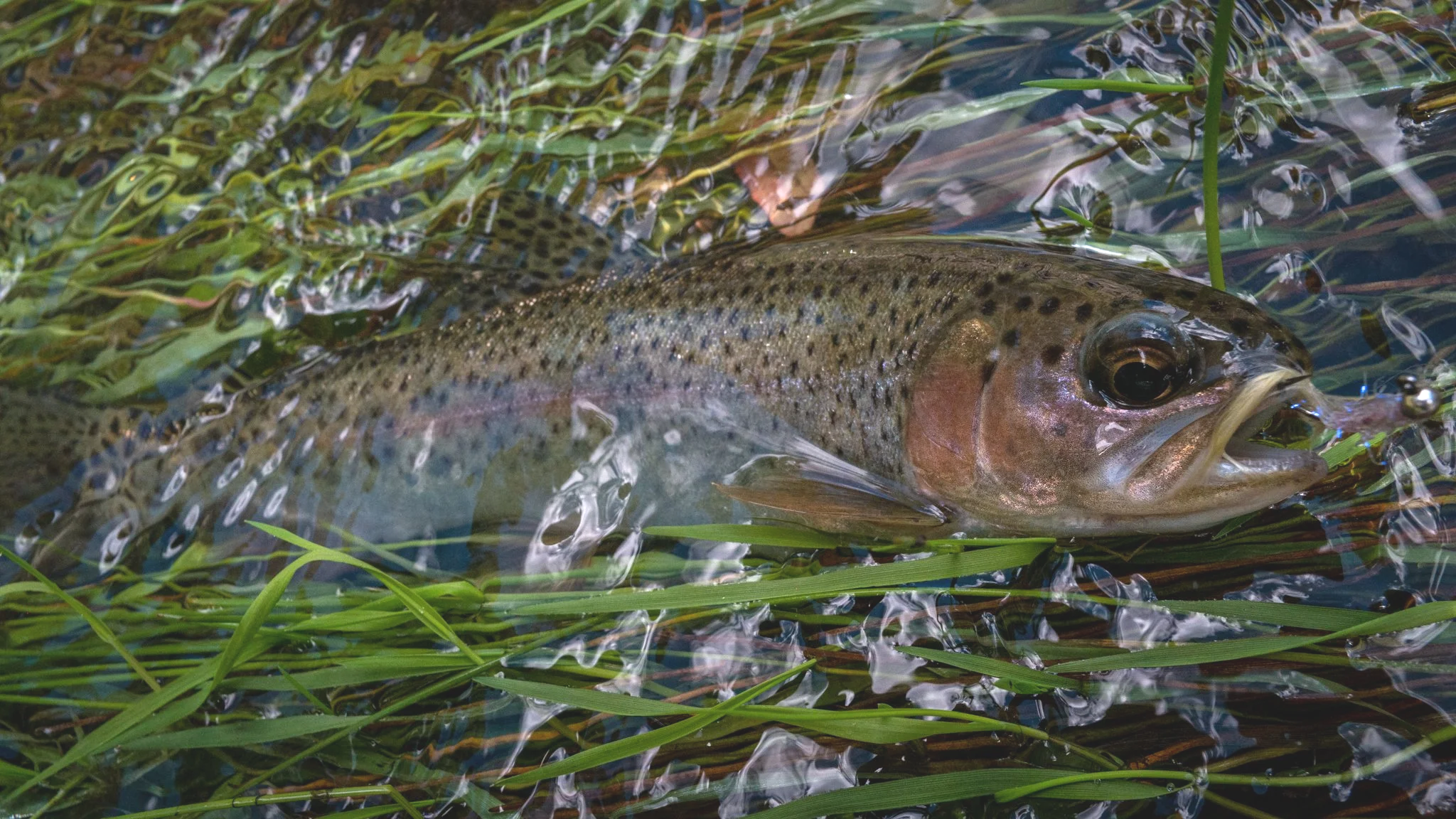
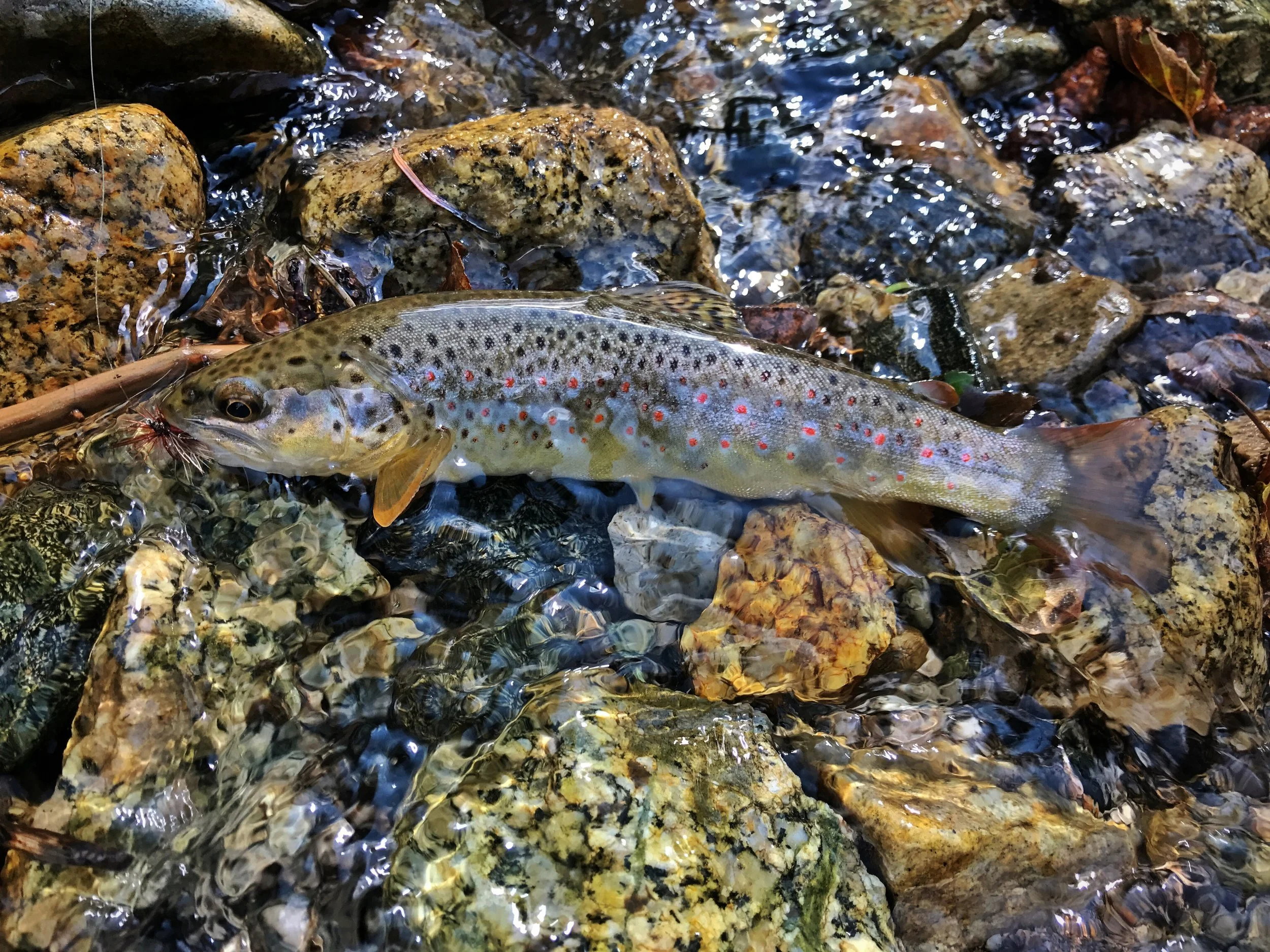
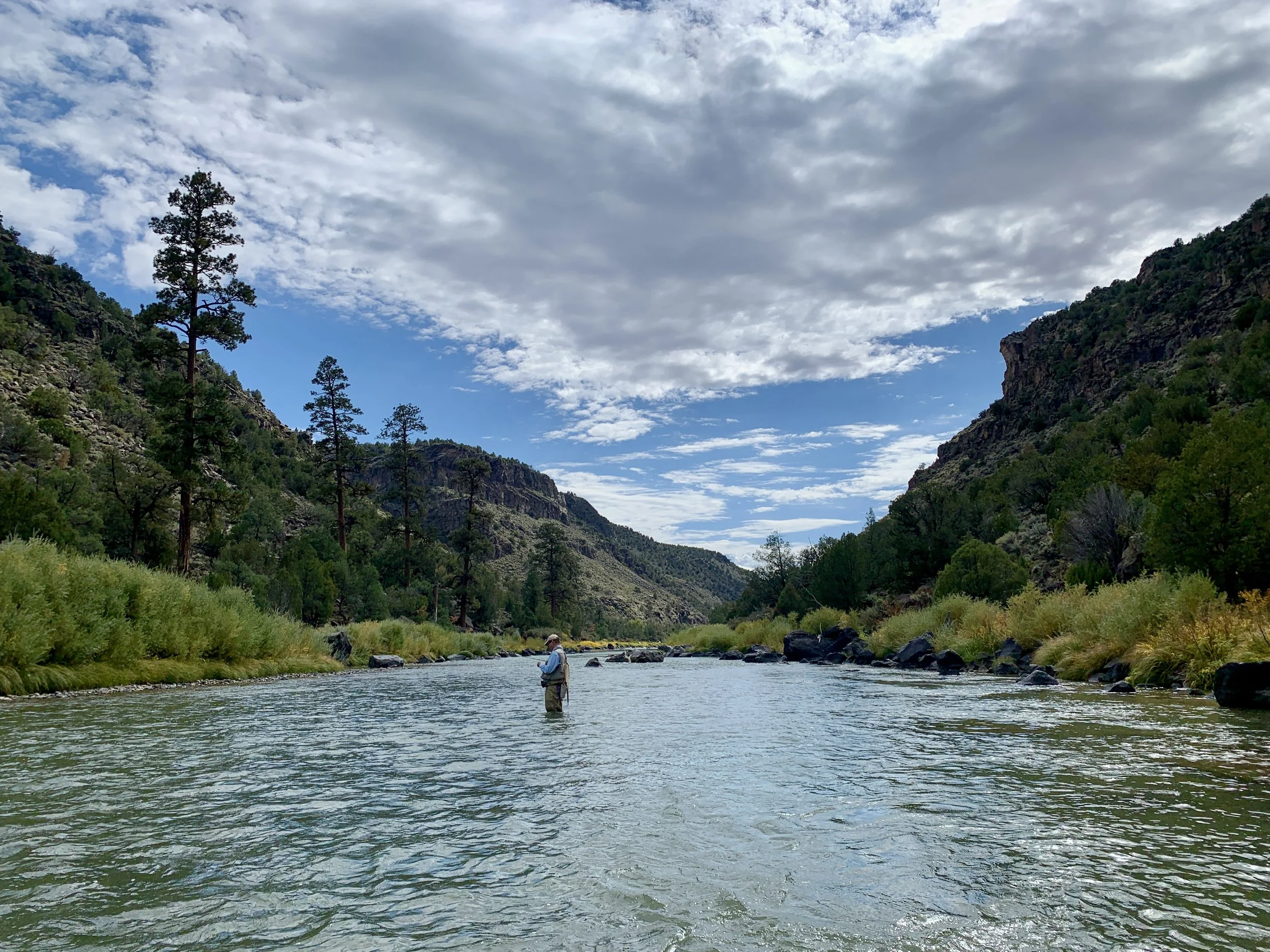
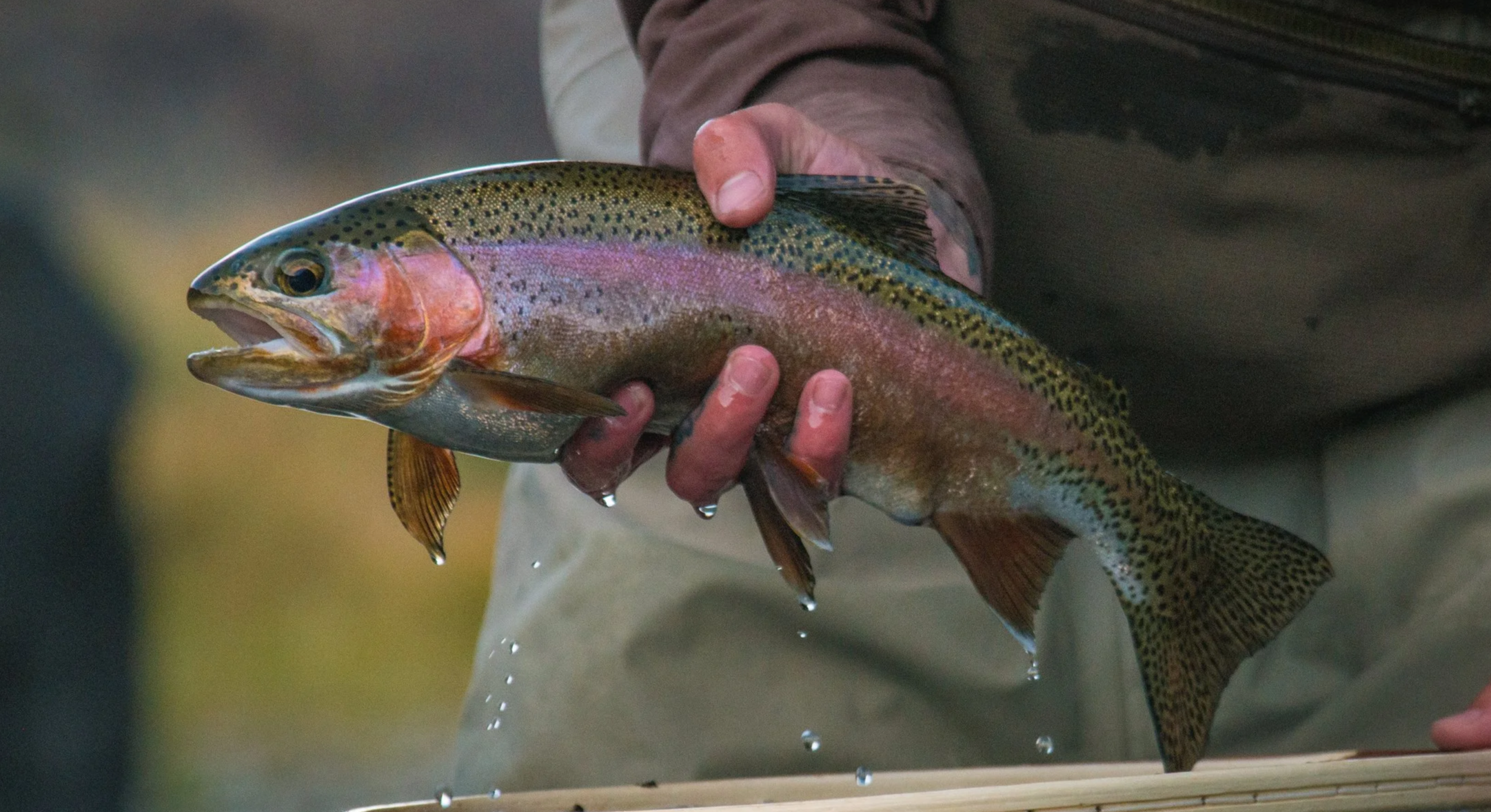
Whether it's a float south of town, or a big hike into the gorge, most of our focus is on The Rio Grande, which has 74 miles of designated Wild & Scenic River, known as The Rio Grande del Norte National Monument. Most of the year, typically September through June, we focus our attention on the trout. We have Rainbow Trout, Brown Trout and once in a great while, the native Rio Grande Cutthroat Trout. Because we are in the southwest, the water temperature in The Rio Grande can get too warm to fish for trout in the summer months, so we’ll turn our attention to the smallmouth bass and the occasional pike. The Rio Grande has something to offer for everyone, no matter your skill level, or your level of hiking, we have a place to fish just for you.
The Lower Rio Grande
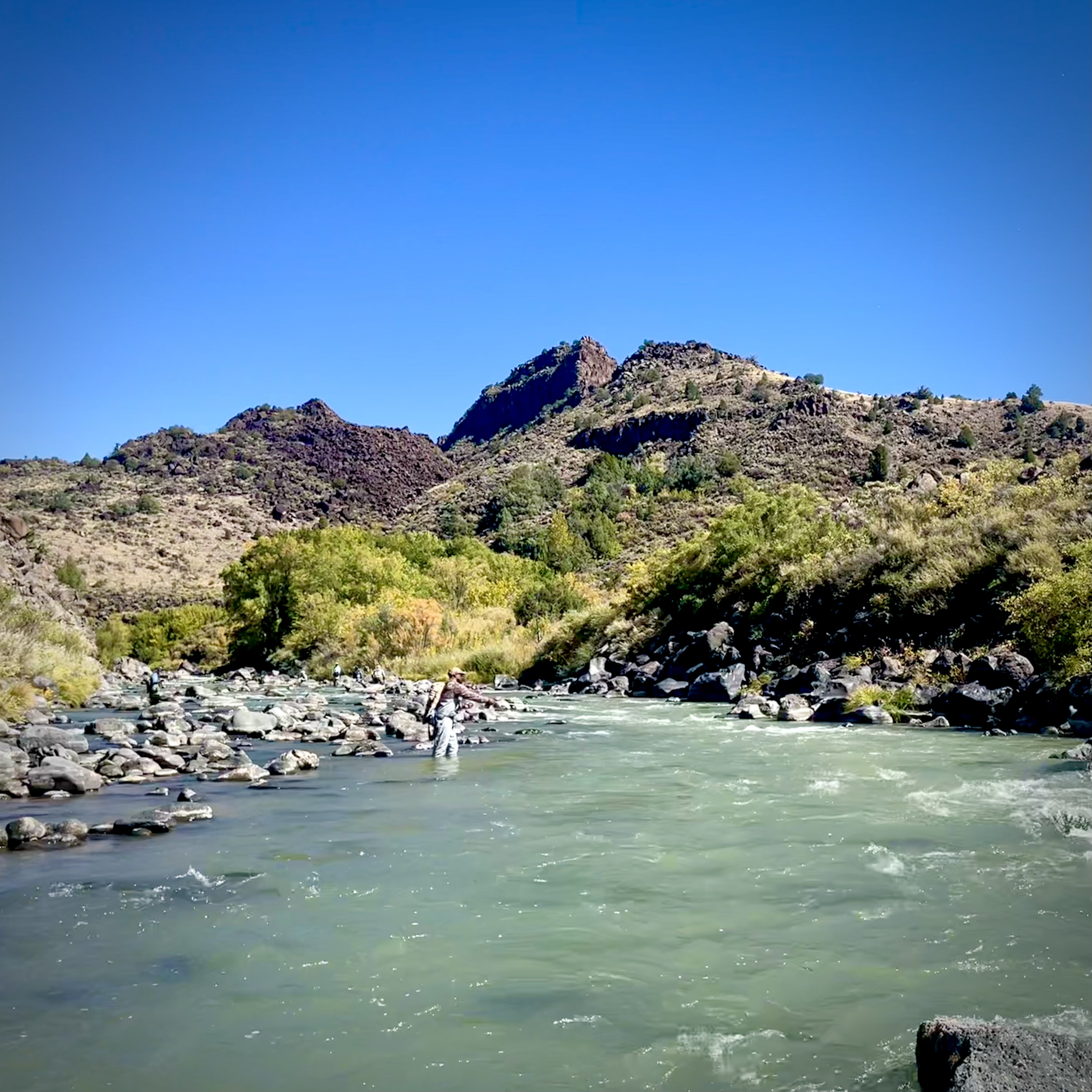
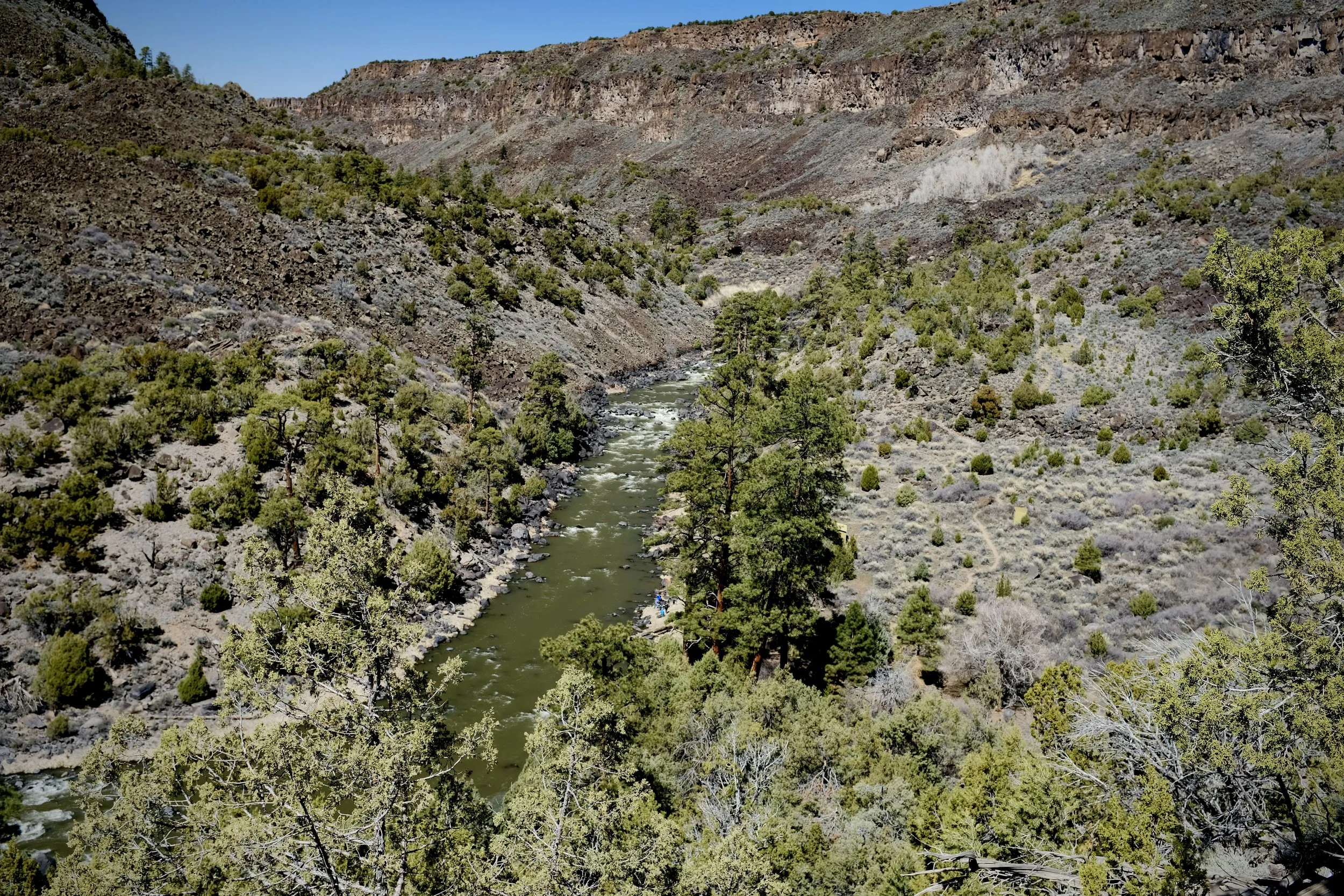
Our lower stretch of the Rio Grande, just south of Taos, is about an 18 mile stretch of river that has a highway beside it. This means easier access to the river. While this stretch sees more fishing pressure than the rest of the river, there is alot of solid fishing to be had. Because this stretch is on the edge of the trout habitat on the Rio Grande, there is a good chance of finding some solid browns and rainbows. This lower stretch is perfect for the new angler. The picky trout also make it a great stretch for the advanced angler looking for a challenge with big rewards. Most of our half day trips and all float trips are down on these sections.
Hiking into the Gorge
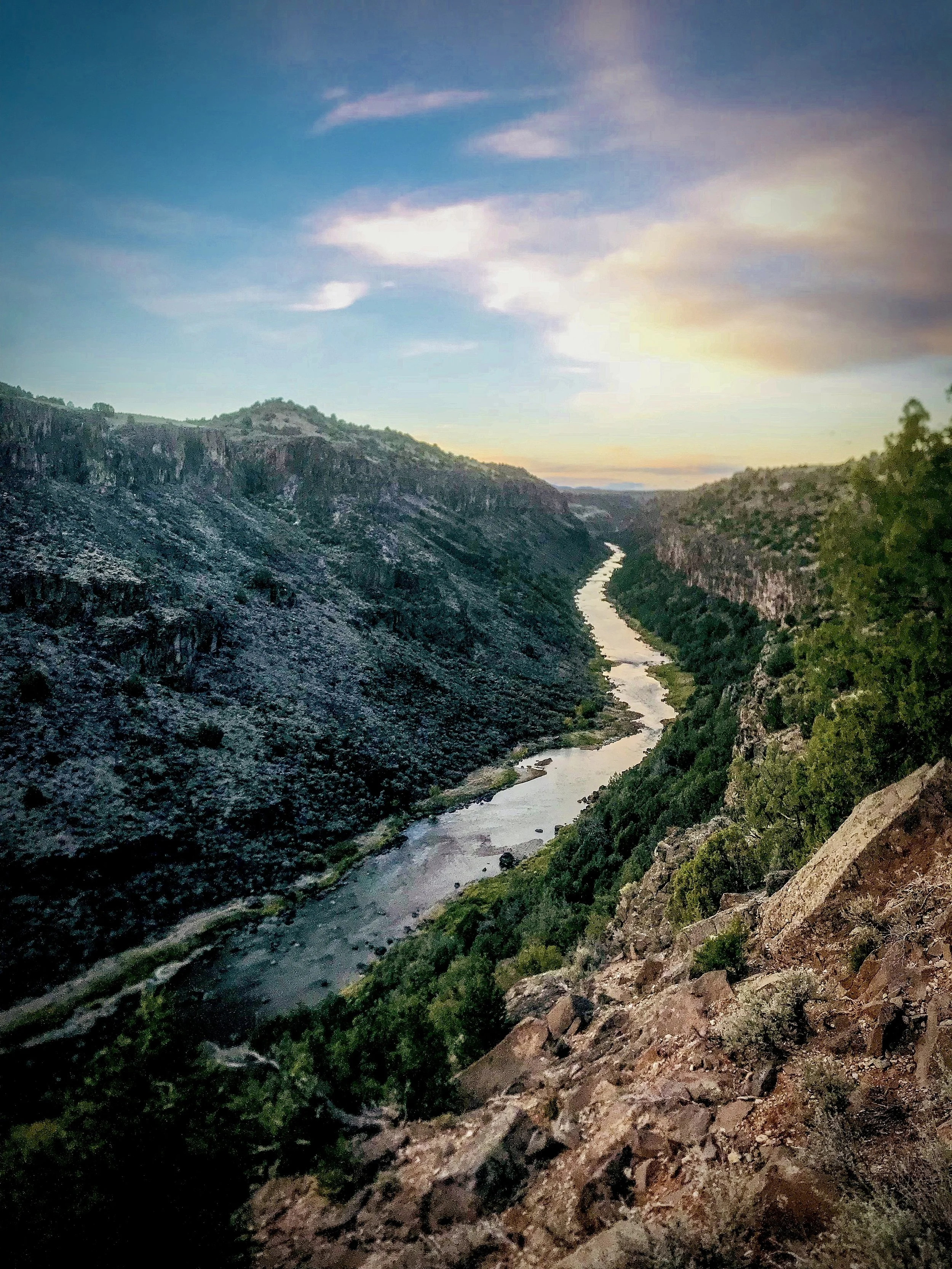
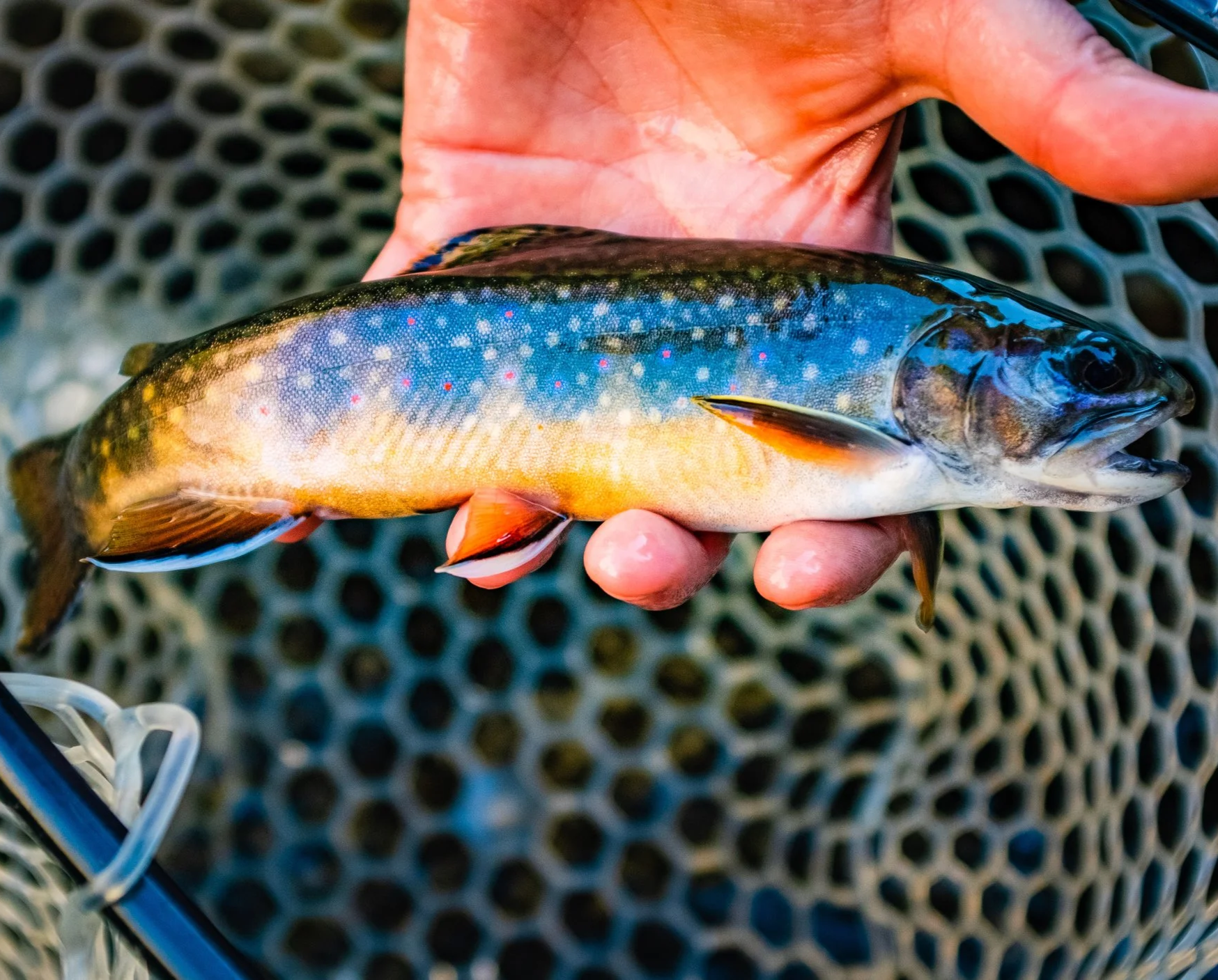
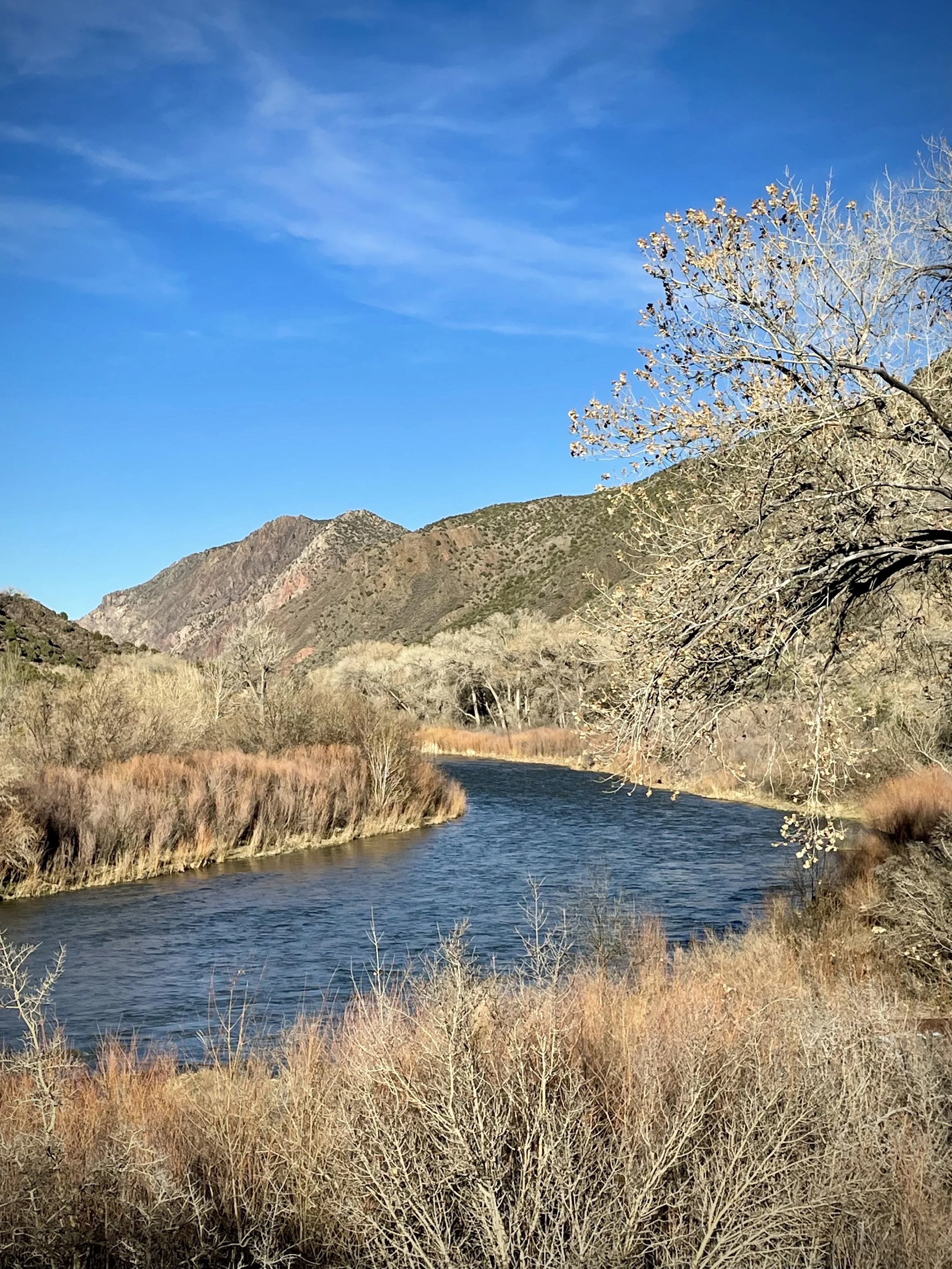
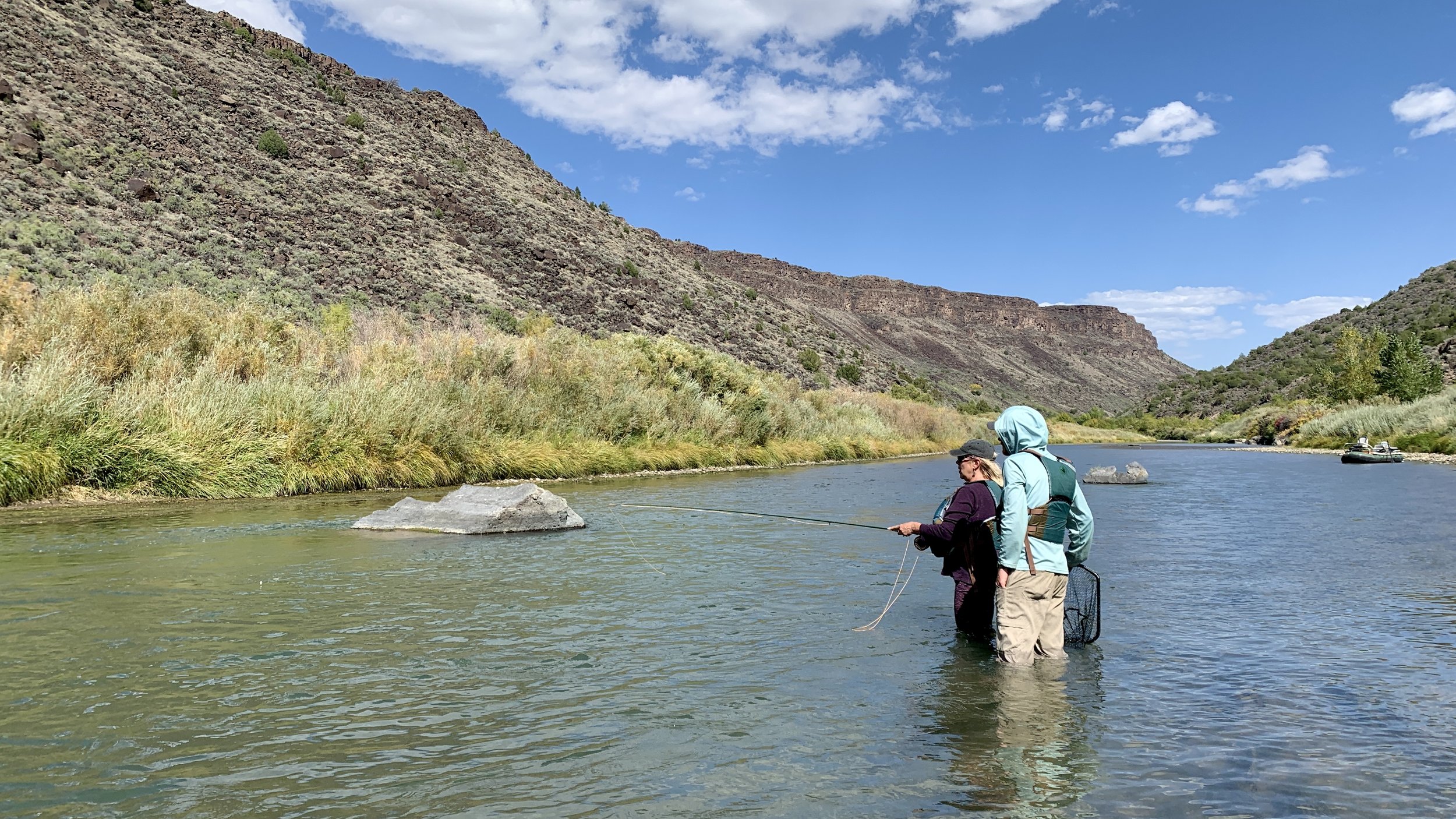
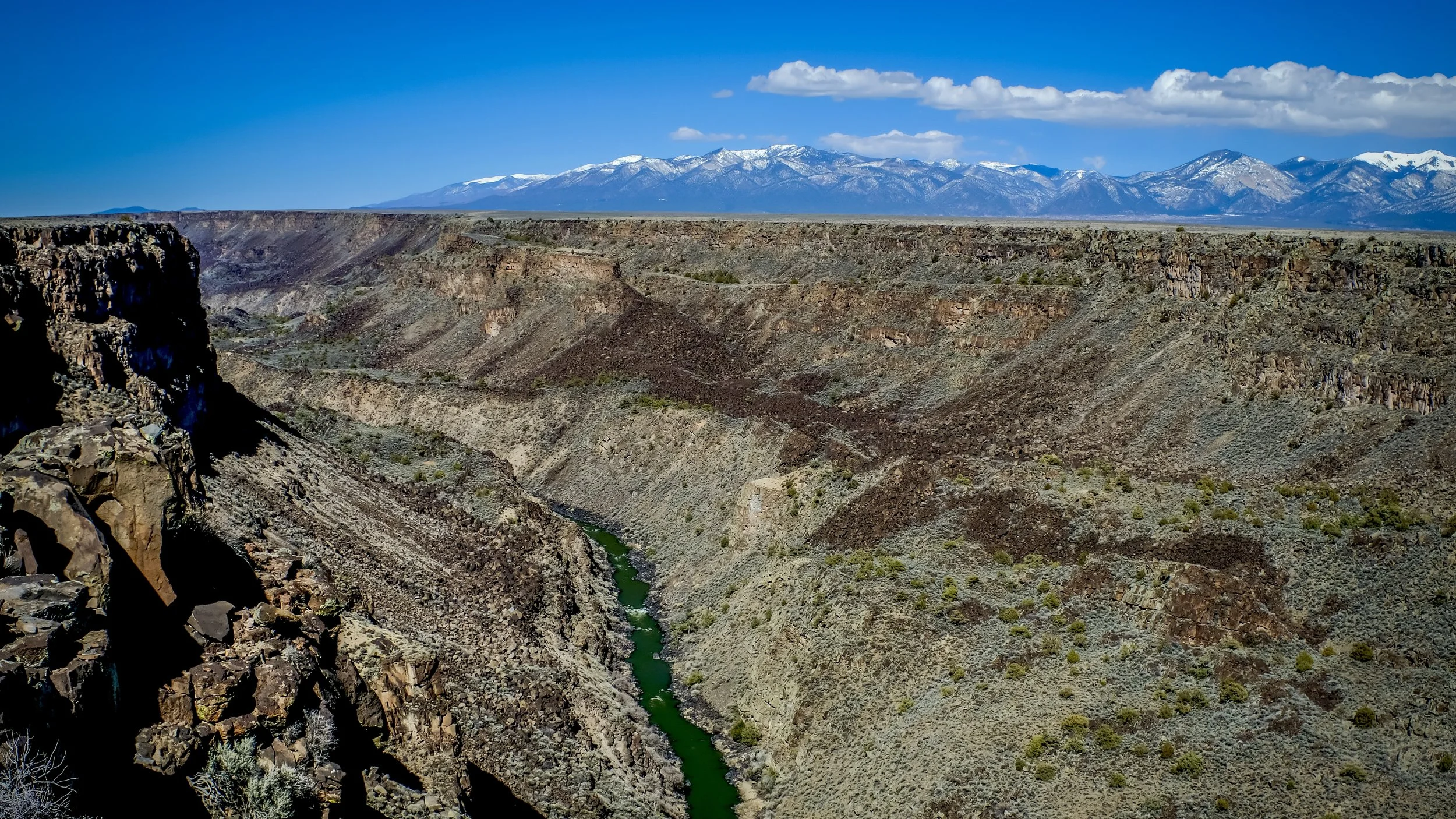
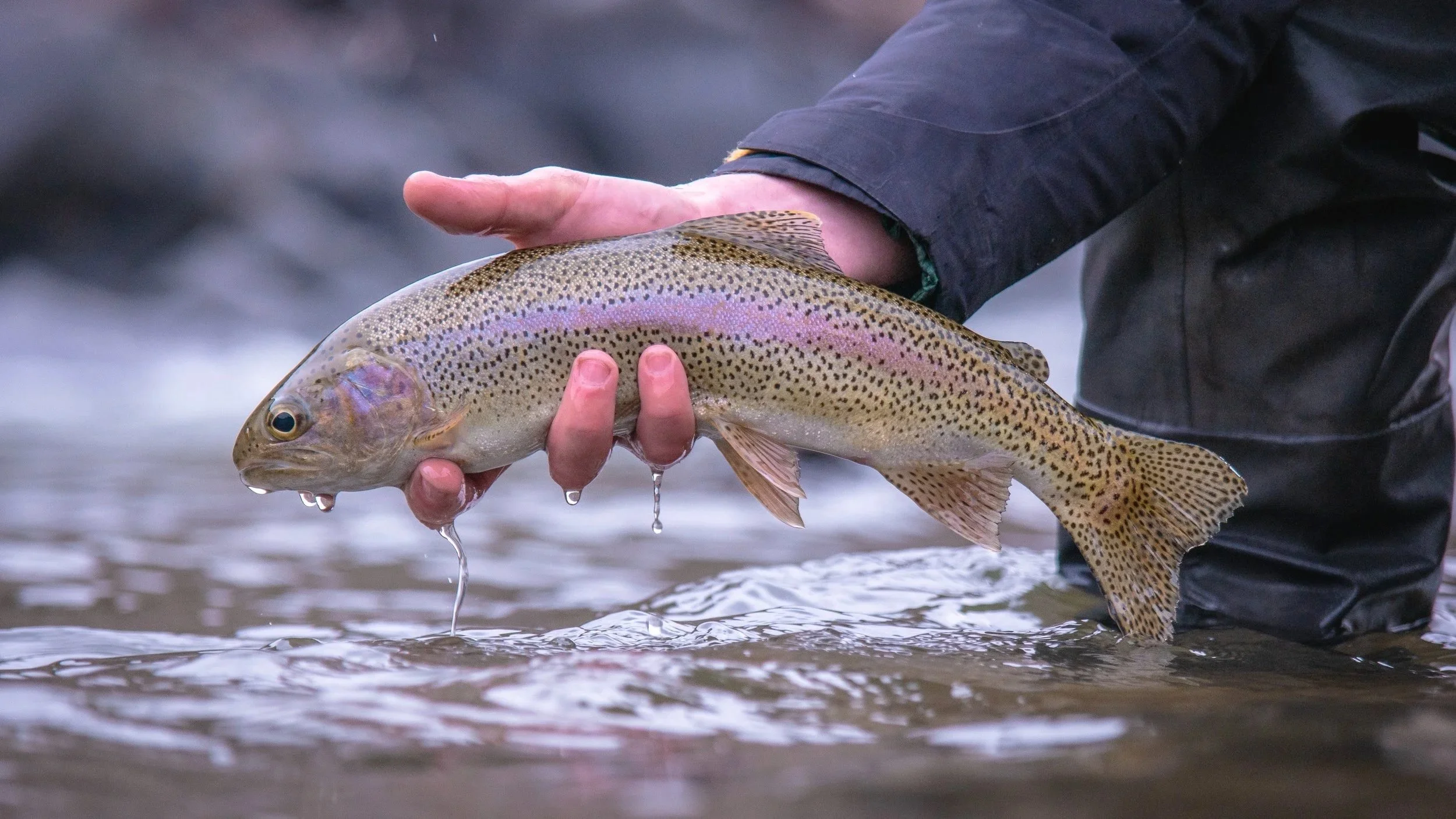
The Rio Grande starts to form a deep gorge before crossing the border into New Mexico. Except for about 18 miles south of Taos, the rest of the Rio Grande is pretty remote water that requires a big hike in and big hike out. Most hikes are about a mile long each way, with a 600'-800' decent down to the river. Yes, that means you have to make the big climb out at the end of the day. In our opinion, this is THE ULTIMATE NEW MEXICO FLY FISHING EXPERIENCE. Hiking in usually means solitude, and the trout are typically pretty willing to take a fly. Mostly wild fish, we find a lot of rainbows, cutbows (Rainbow & Cutthroat hybrid) and brown trout. The Gorge, as we call it, has every type of water a trout angler could ask for, from the classic looking trout riffles, to huge boulders with stunning pocket water.
Float Fishing
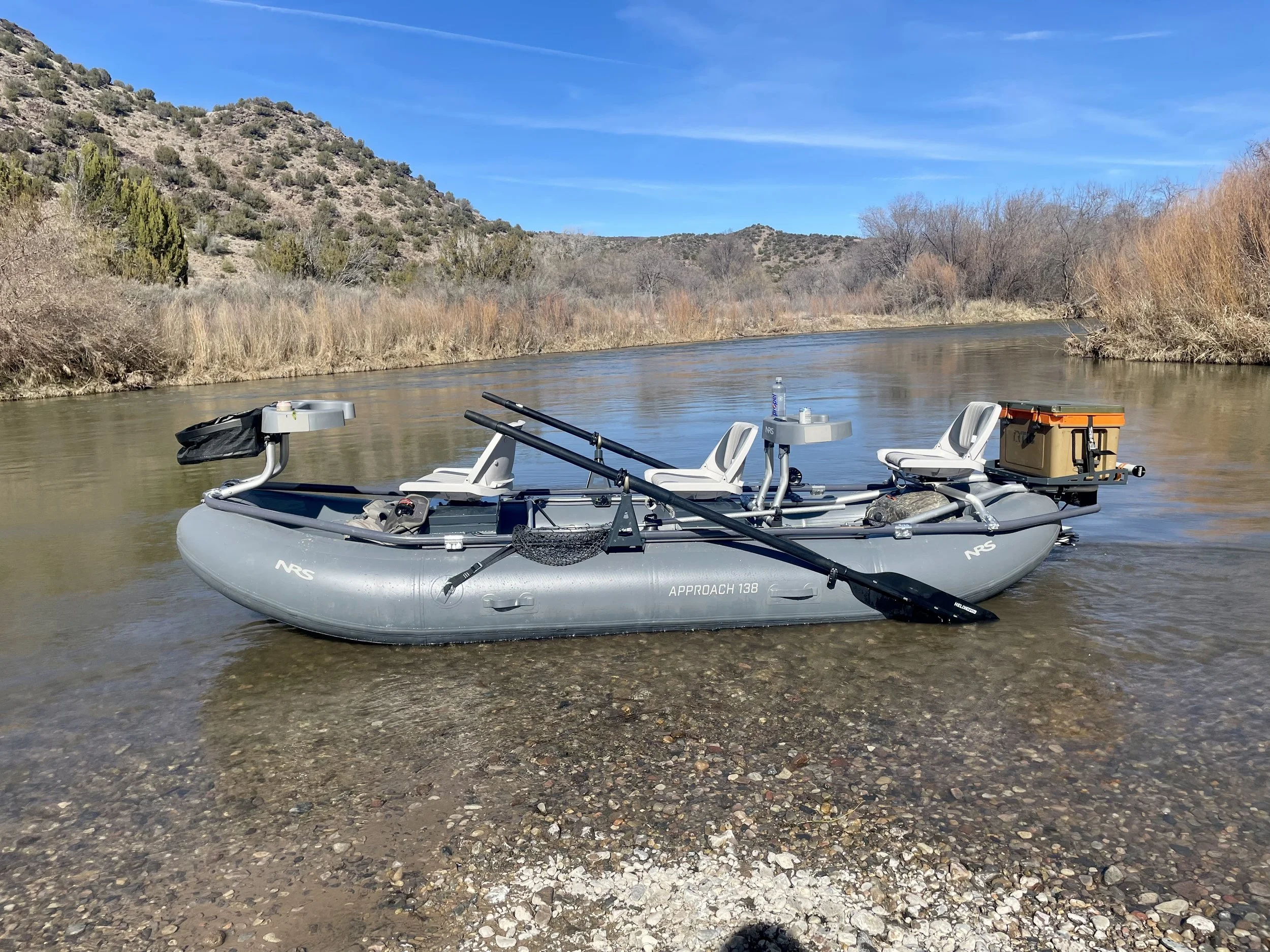
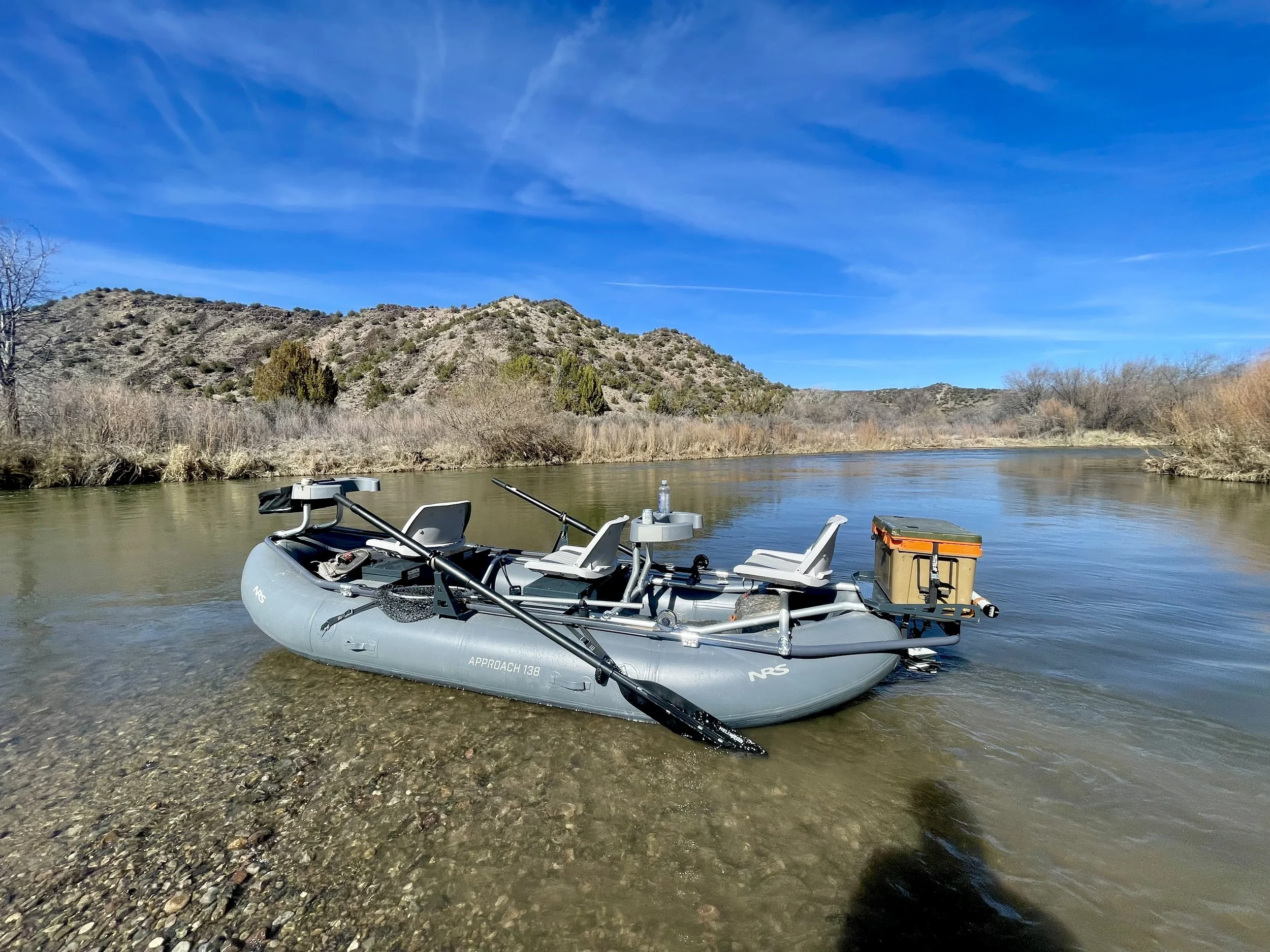
Fishing from a raft is quite the experience. Cooler full of your favorite beverage and a comfy chair to sit in for the day, it’s pretty hard to beat. Our float fishing takes place down on the lower section, south of Taos, where we have 2 different stretches we like to run. Float fishing is a fun and unique way to fish The Rio Grande which allows you to fish a lot of water in a day. Or it could be our way to get down river, while we step out to wade different runs. Though we don’t run any rough water on our float trips, we have extensive experience on a raft to provide a safe float down on the river.
Summer Evening Floats
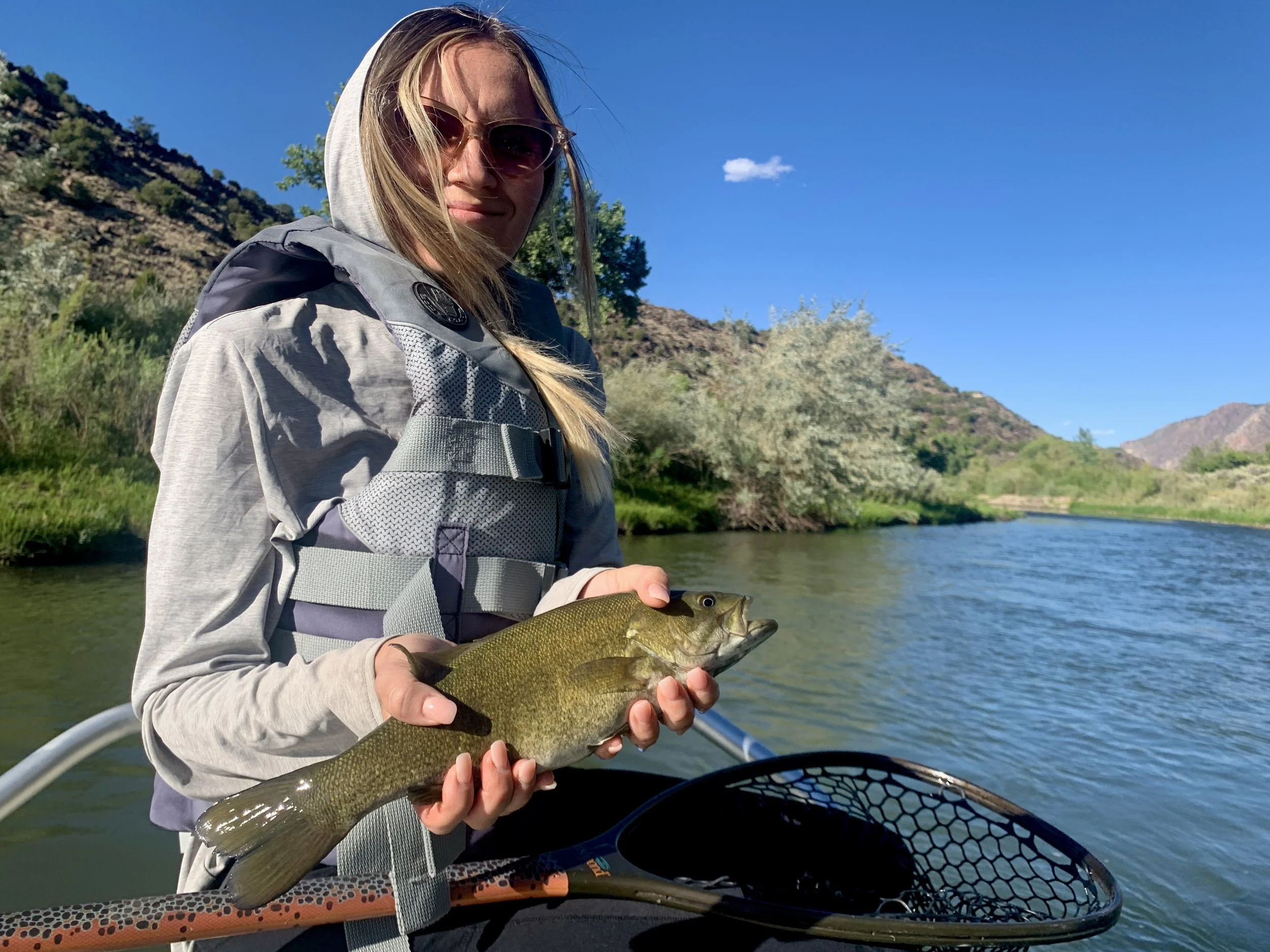
In the summer time, June through September, the lower river sees a lot of attention during the day from boaters, swimmers and folks fishing. This is the perfect time to do a some evening fishing. Wade fishing trips in the evening are available, but float fishing is going to be the jam. These trips are primarily smallmouth bass focused with the occasional pike. The evening is the perfect time to watch the river come alive.
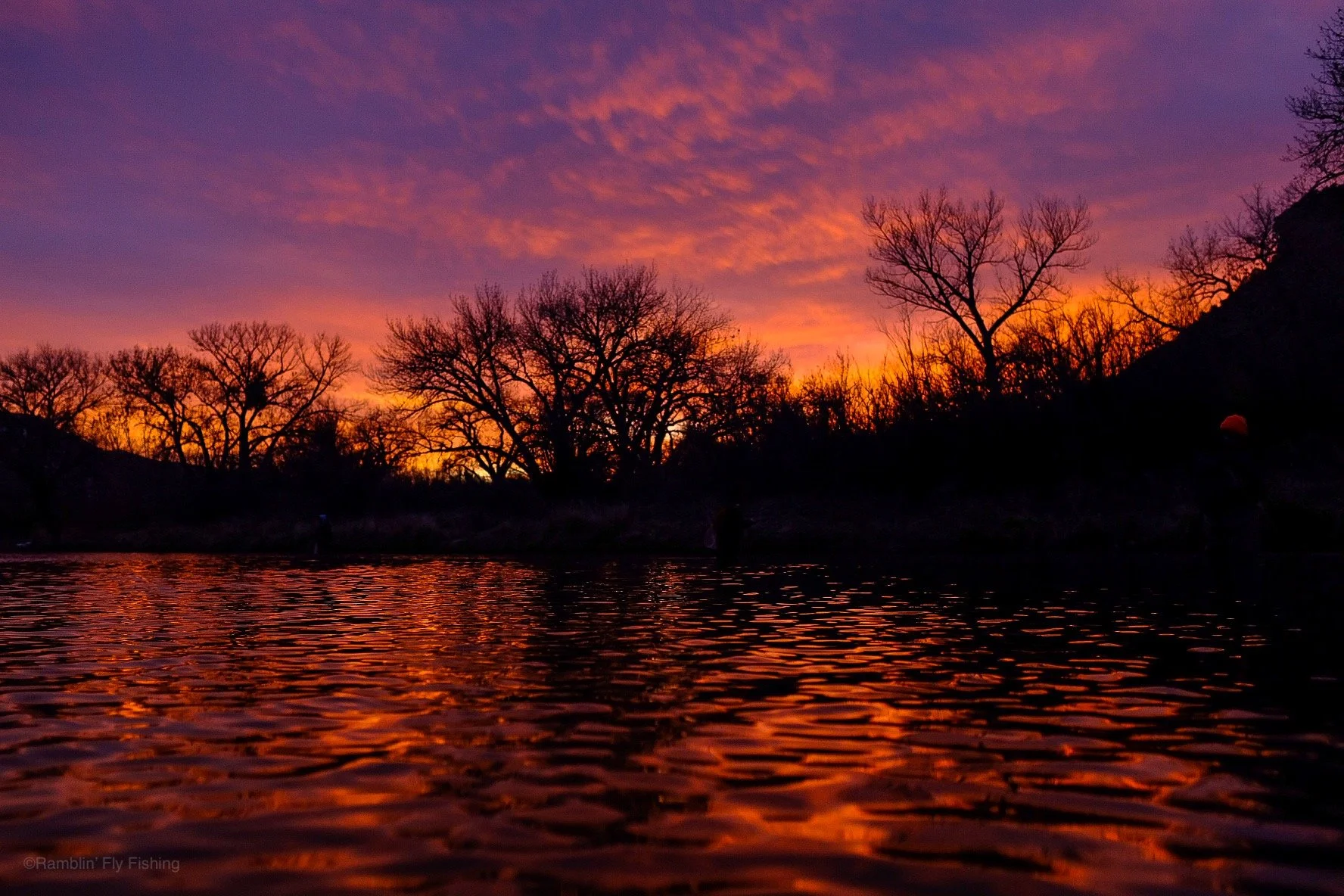
Smallmouth Bass
The lower sections of the Rio Grande house a decent smallmouth population and it is a real hoot and a holler to fish for these guys. Daytime fishing is always fun, but we find it to best in the evening.
Winter on the Rio
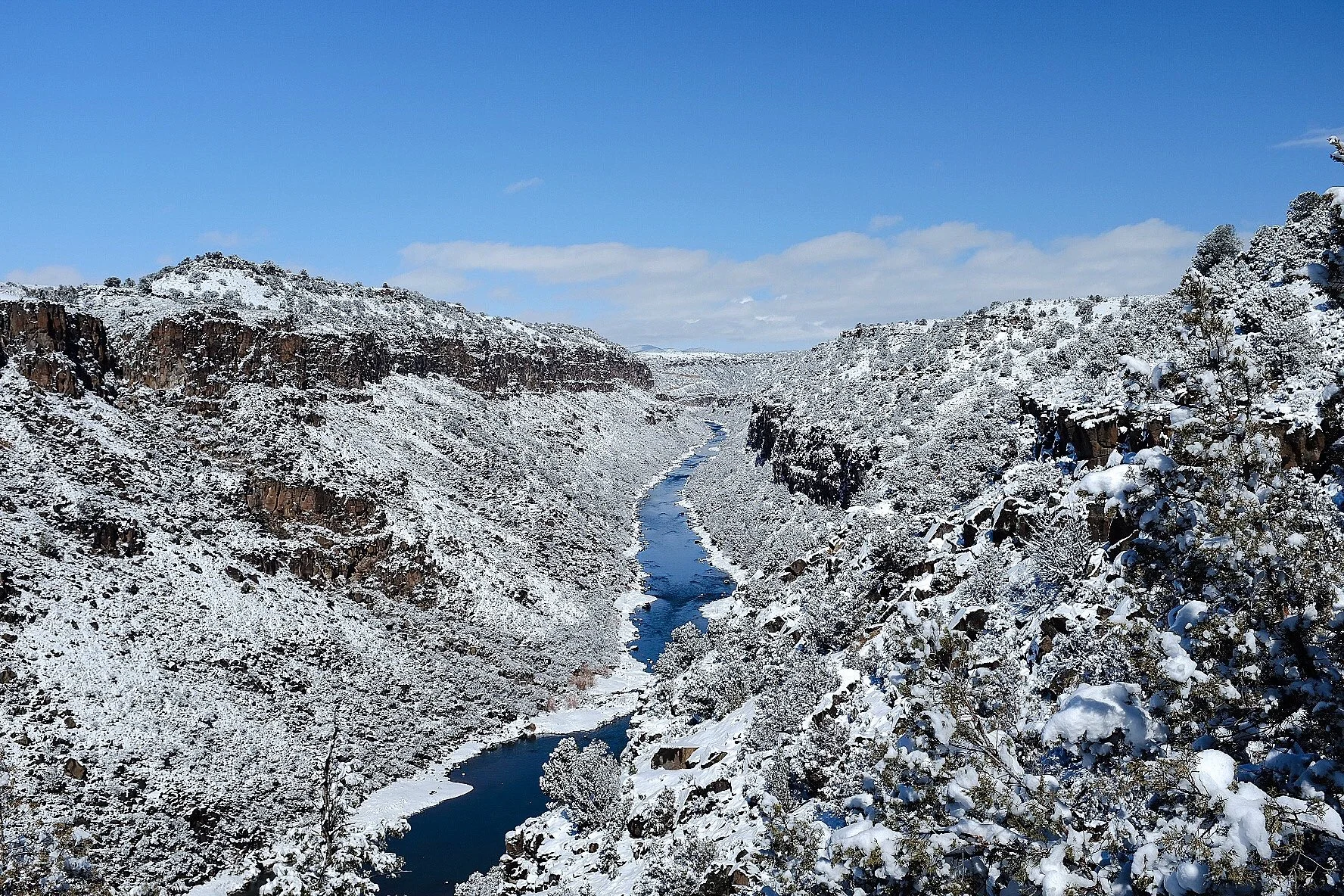
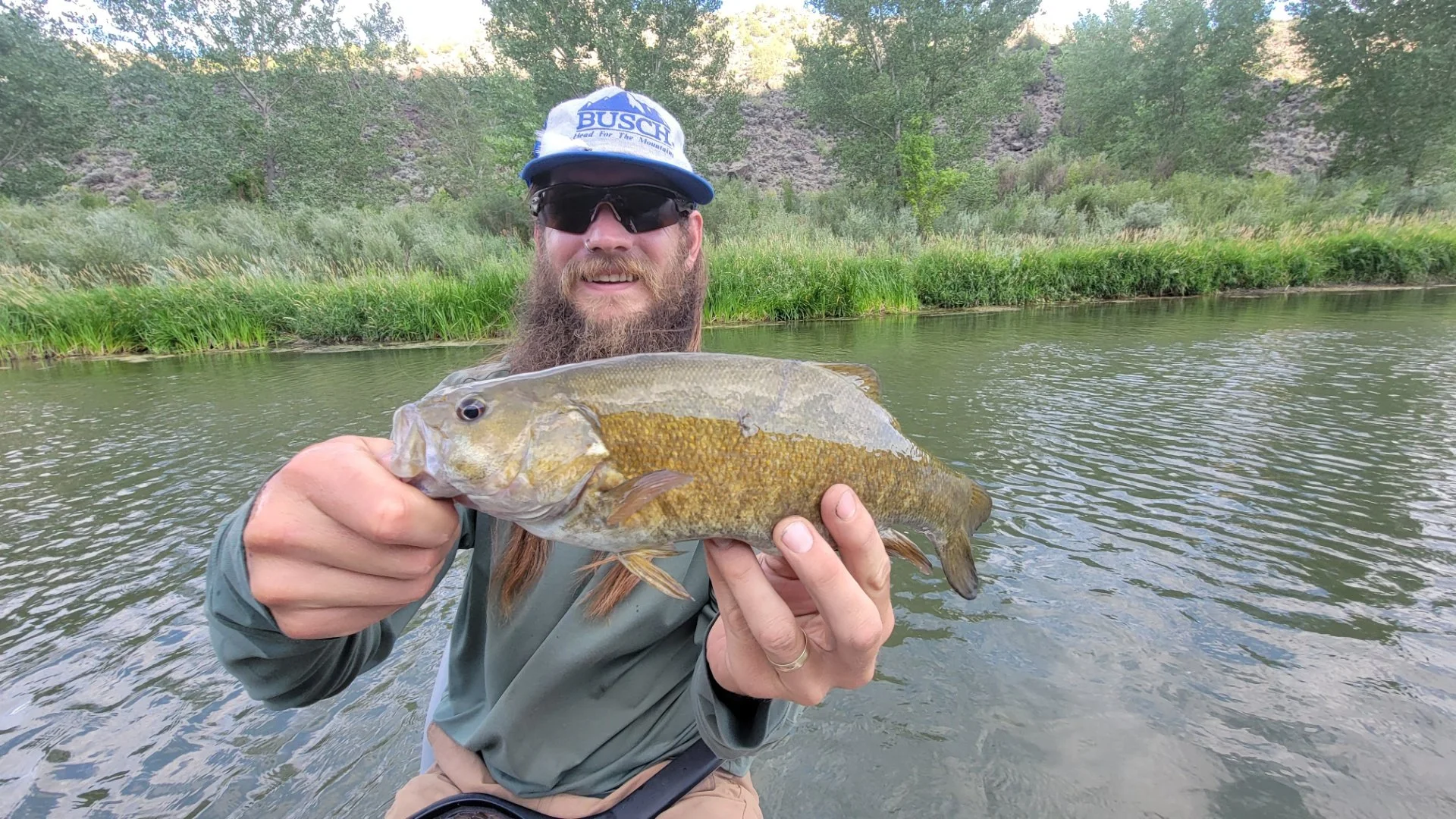
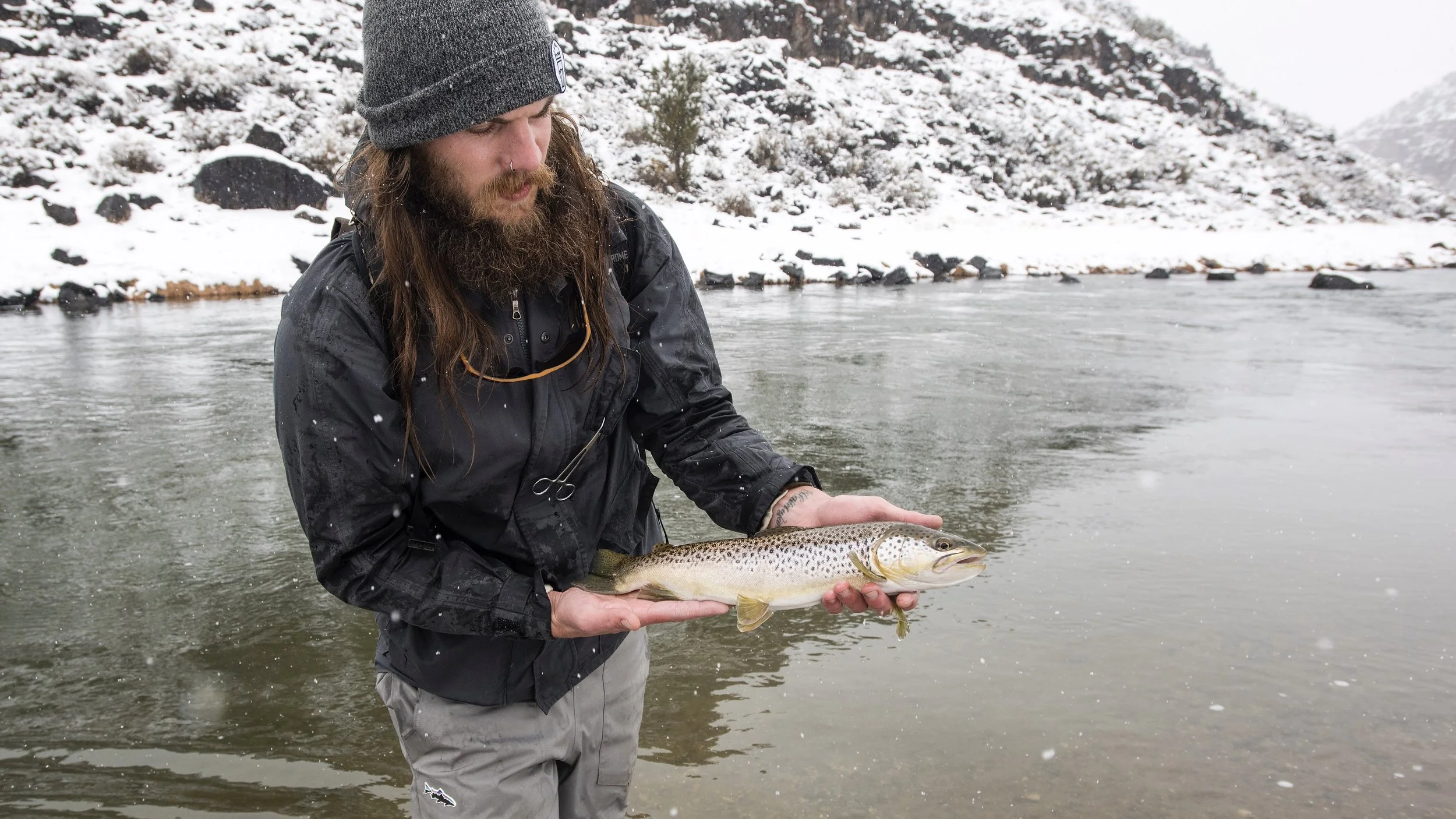
Winter fishing on the Rio Grande can be phenomenal. Because we are located in the southwest, we do not get as harsh of a winter as the rest of the Rockies do. The river doesn’t freeze, and because of the amount of springs that feed into the river, the water temps can be a little bit warmer than most other winter fisheries. Winter means less anglers on the water and for those willing to battle some colder temps, there are some really nice rewards waiting to be had. And if you are lucky enough to be able to fish the gorge during a snowstorm, you are in for a real treat of a day.
Other Waters We Fish
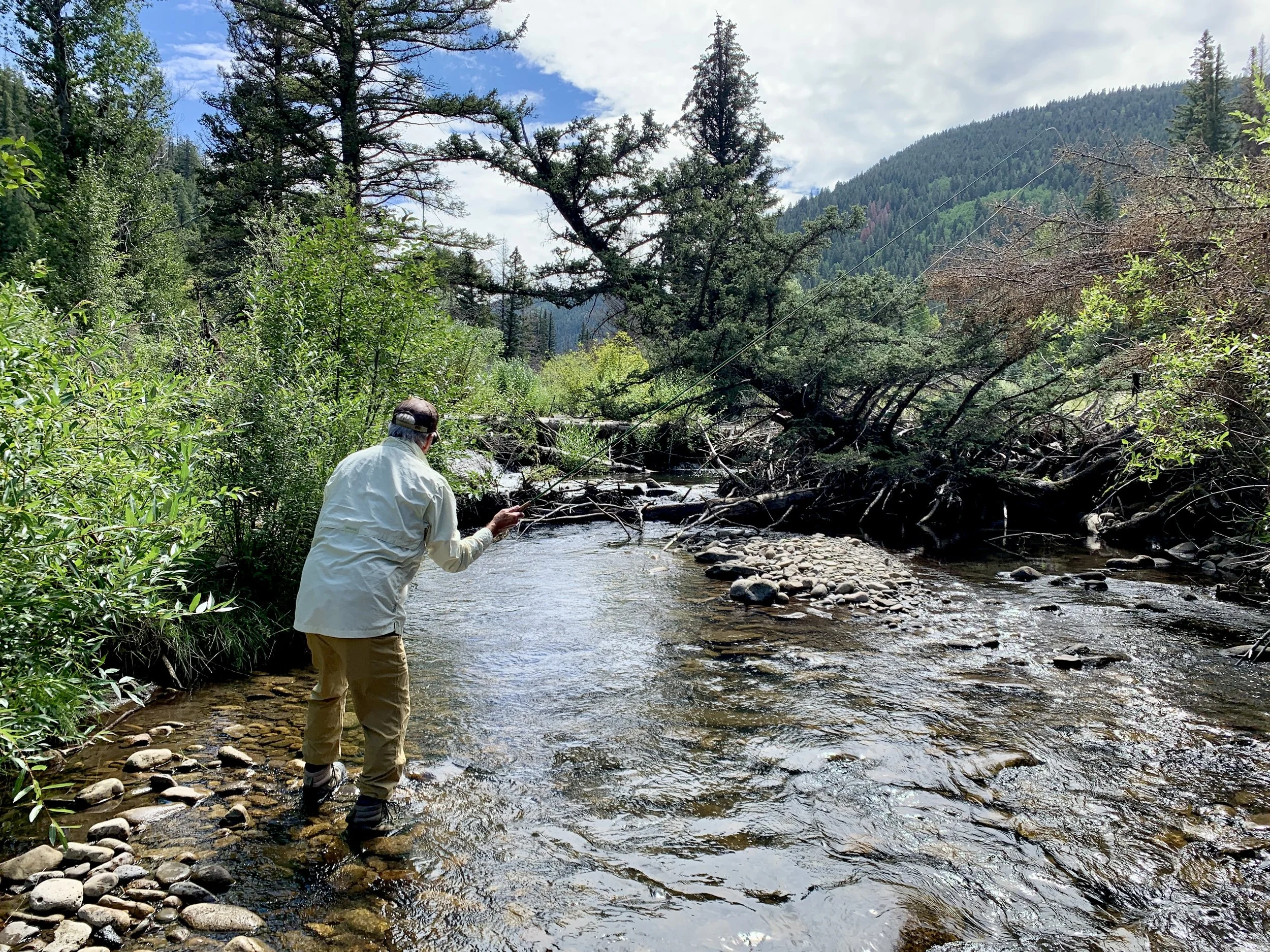
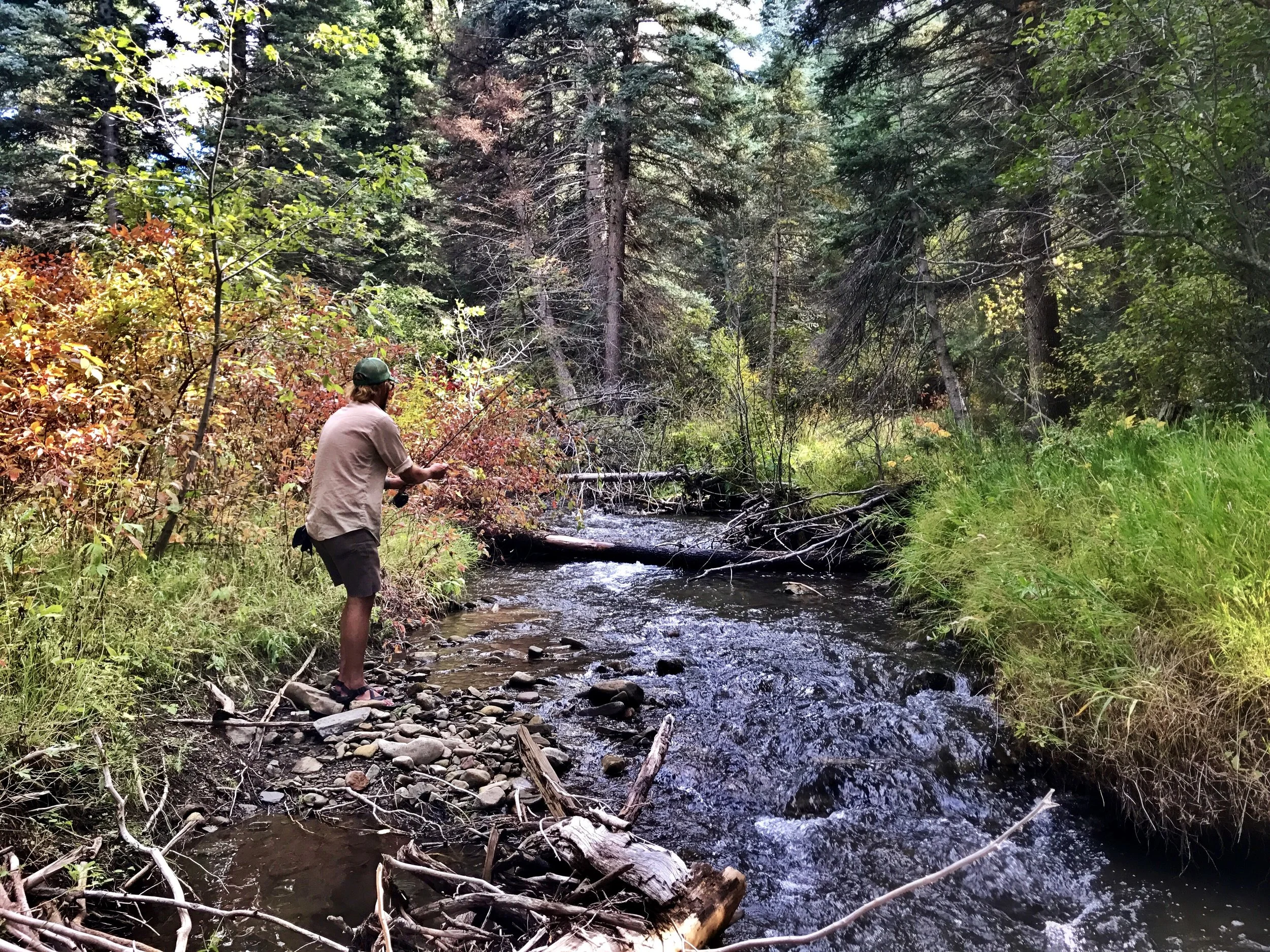
While The Rio Grande is our main jam, it’s not always fishable due to how far down stream we are in the watershed. Plus, we love to enjoy everything else New Mexico has to offer, so we’ll guide a number of other smaller rivers & creeks in the area, plus a few lakes. When the temperatures get pretty hot down on the Rio Grande, we always have the option to go up in the mountains to cooler temperatures.
The Red River
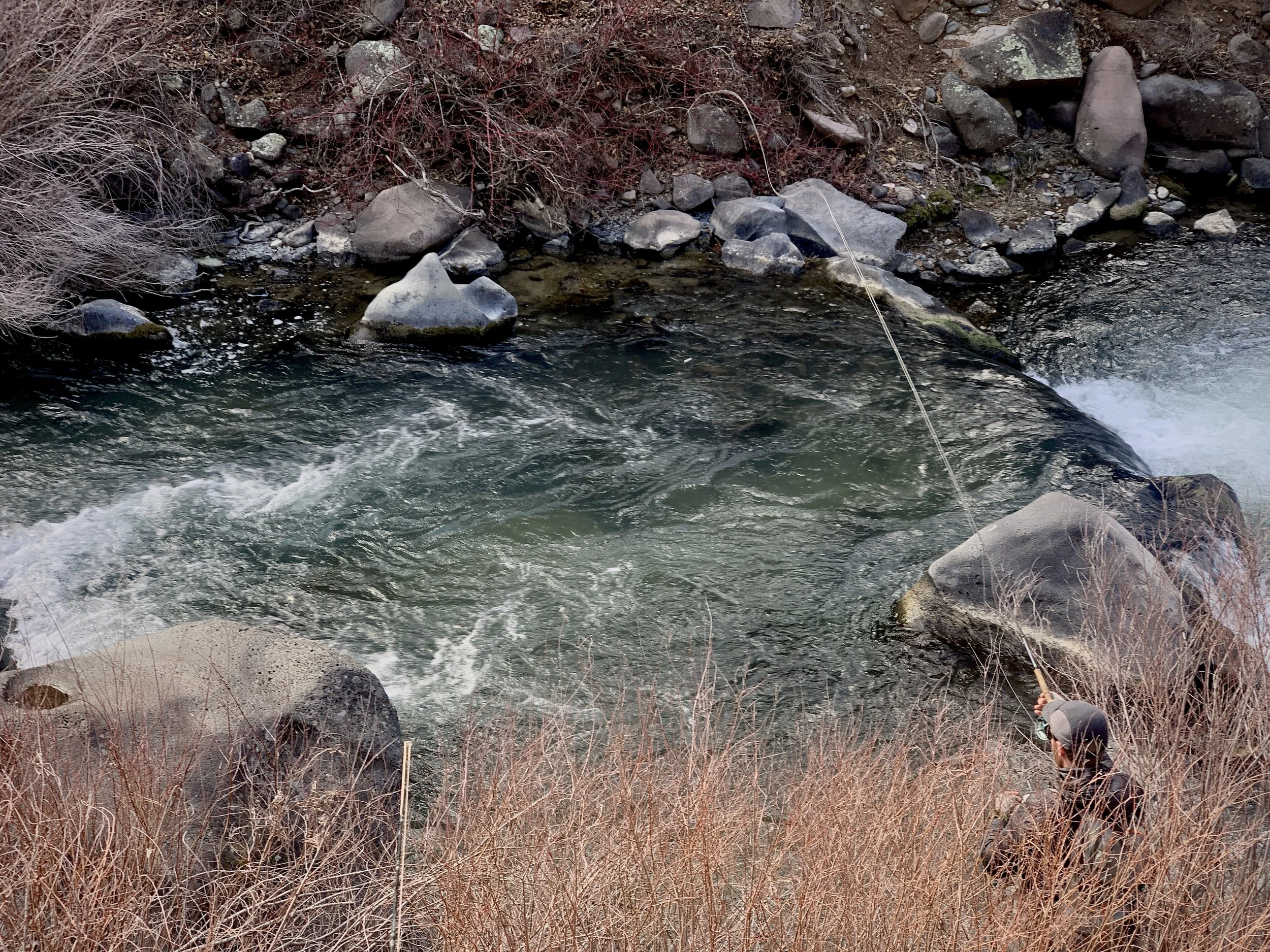
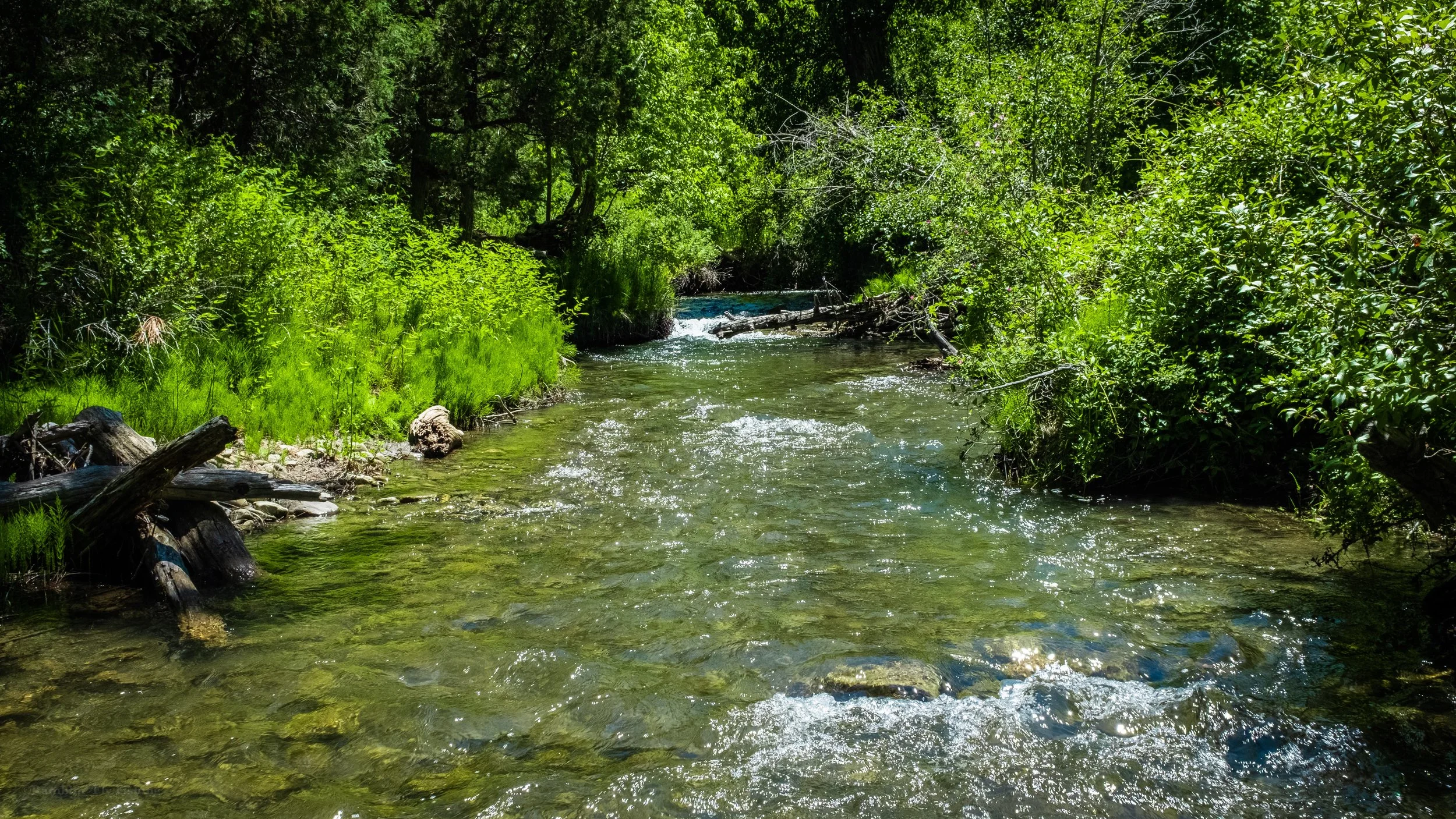
Starting high up in the Sange de Cristo Mountains, The Red River flows through the town of Red River and down along Hwy 38 before hitting the valley of Questa. After a couple more miles the Red creates its own gorge about 4 miles before its confluence with The Rio Grande. While the upper stretches have some excellent dry fly fishing in the summer months, we really enjoy the last 4 miles before the confluence. There are numerous springs that feed into this stretch that keep the water temps warm in the winter, and nice and cold in the summer. Fishing the Red in its lower stretch is like fishing a smaller Rio Grande river and we especially love to fish the Red in the winter months.
Check out the current flows for The Red River on the USGS website, links below.
The Rio Costilla
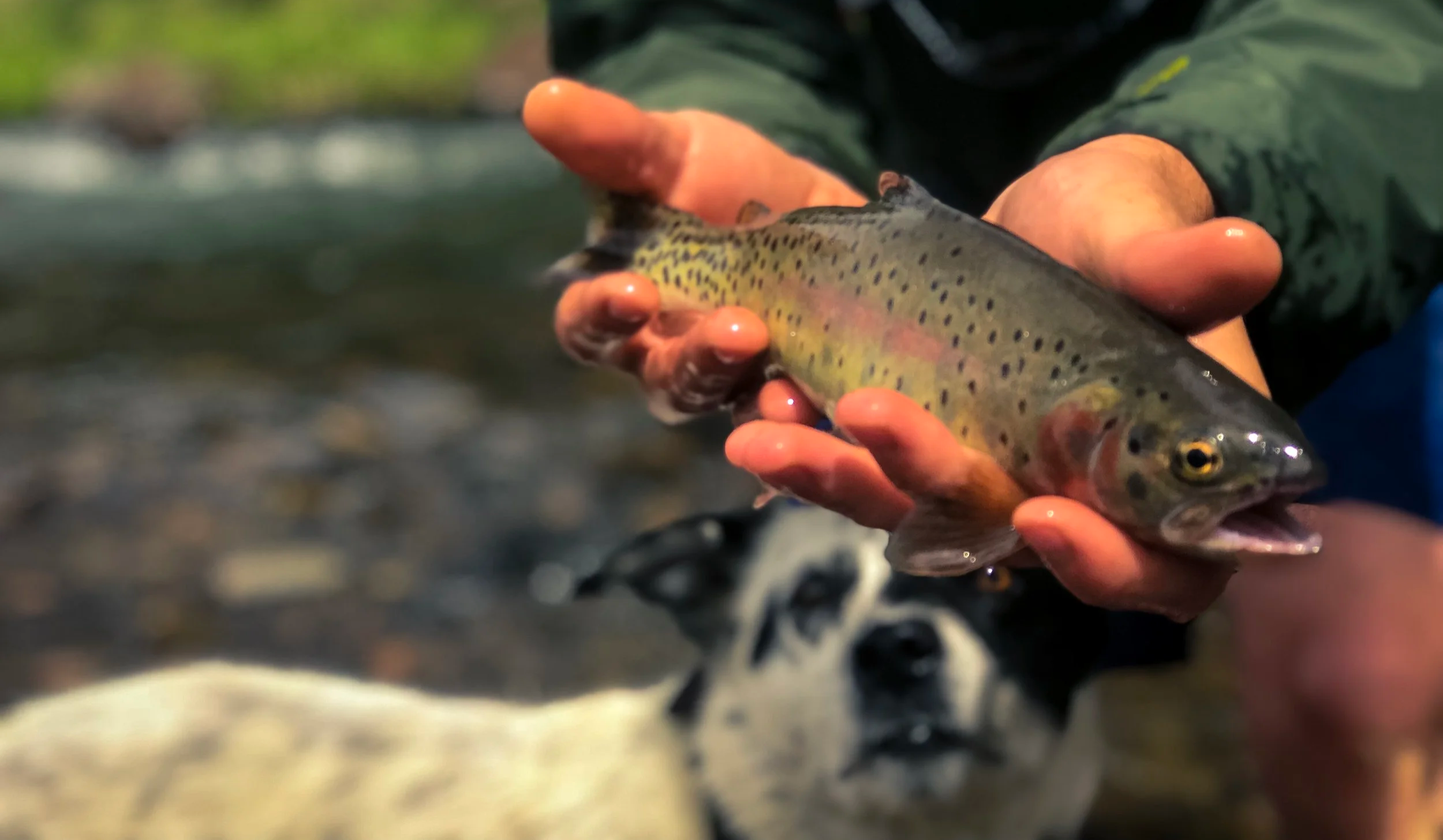
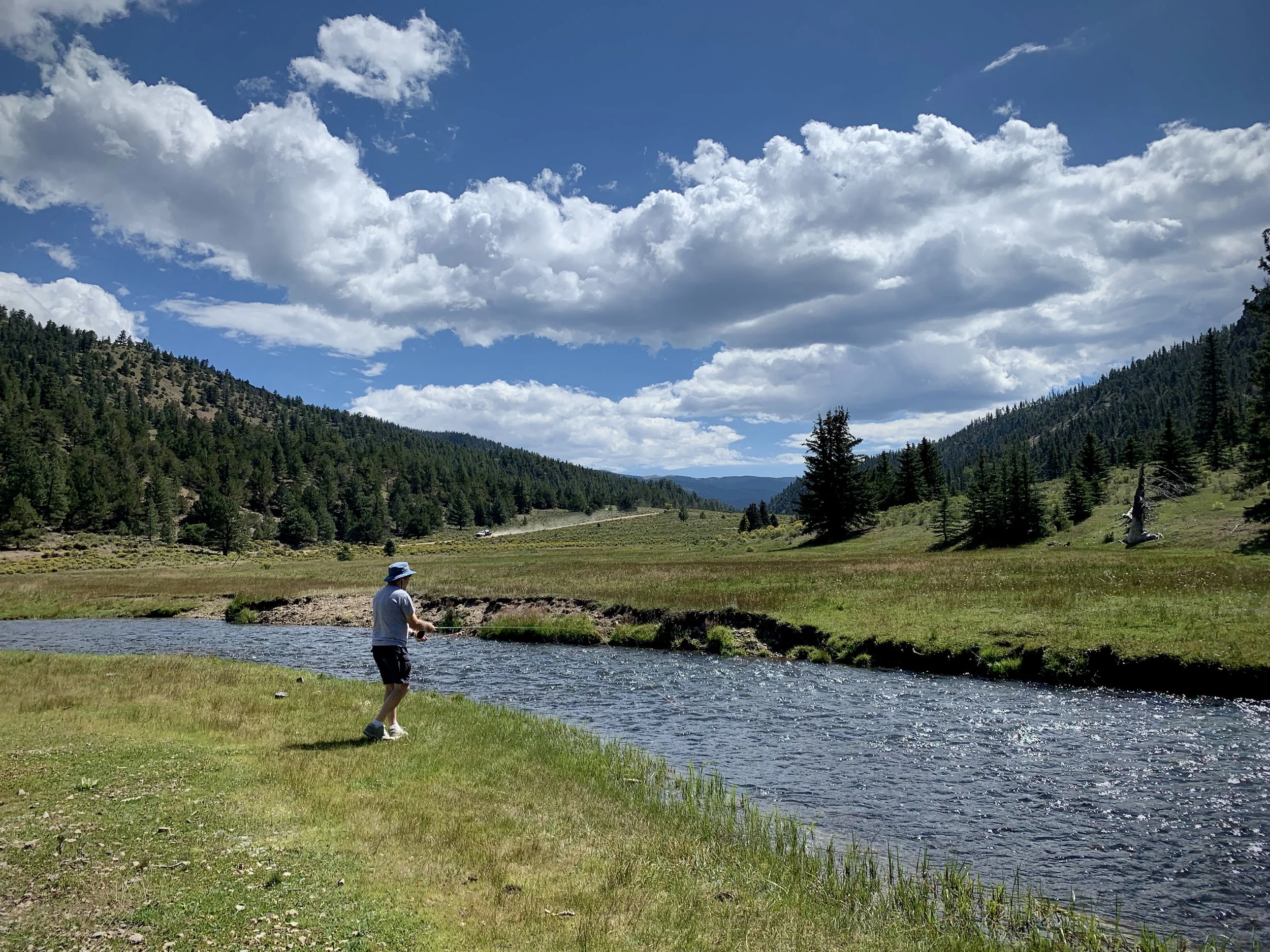
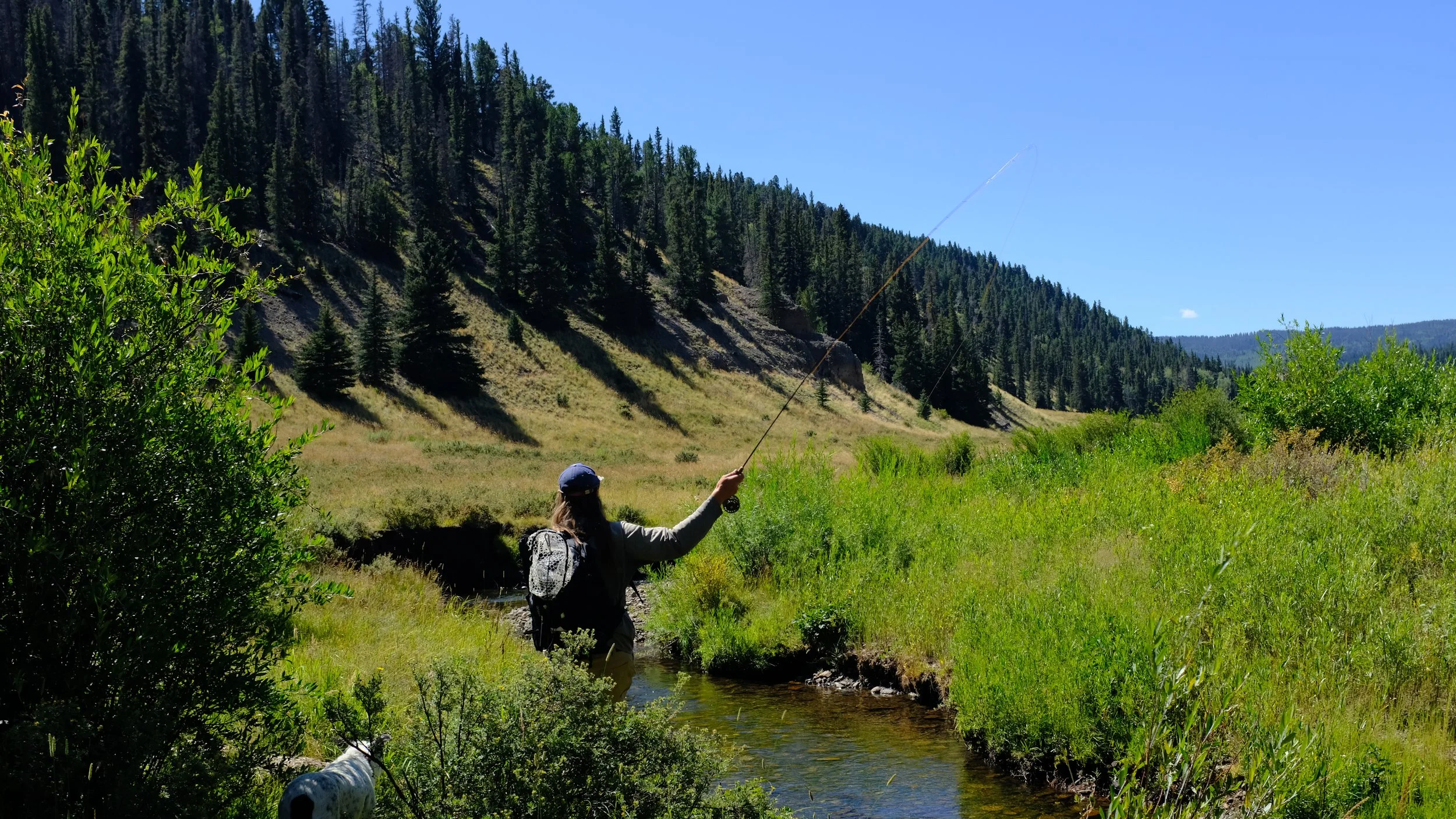
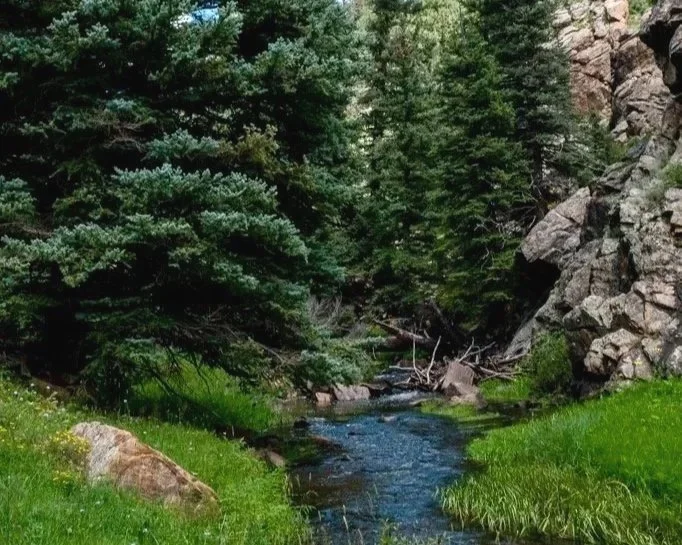
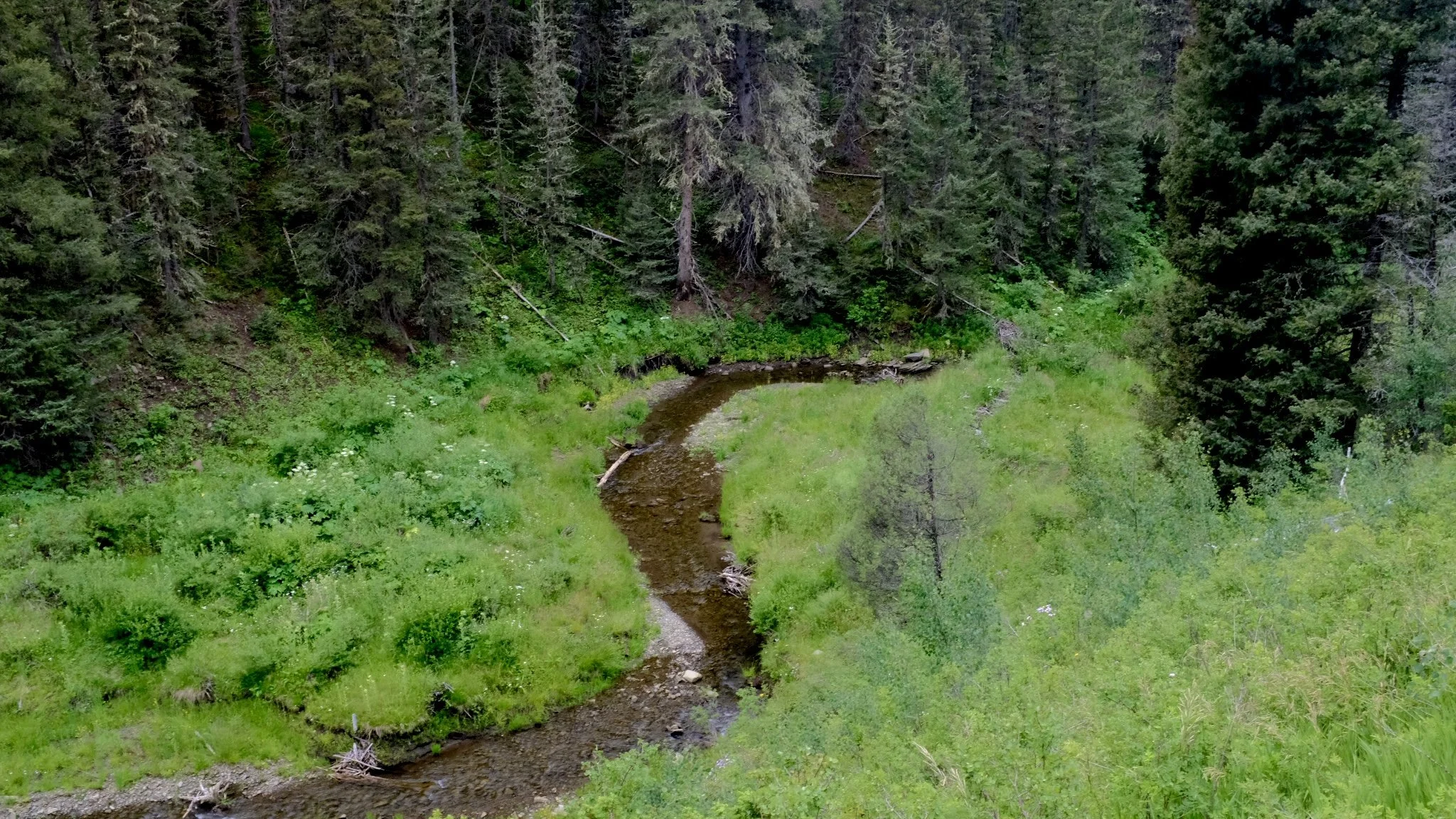
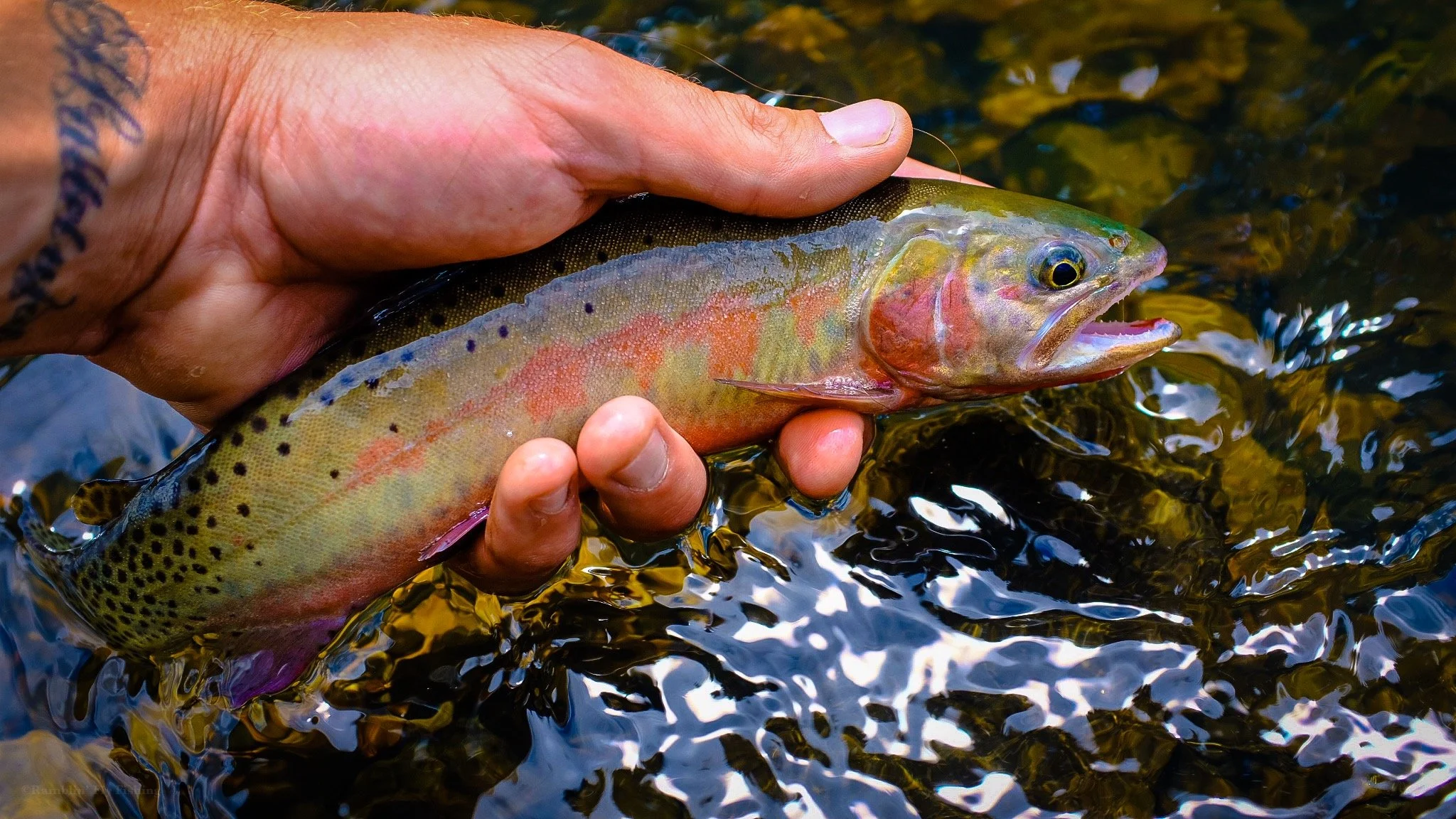
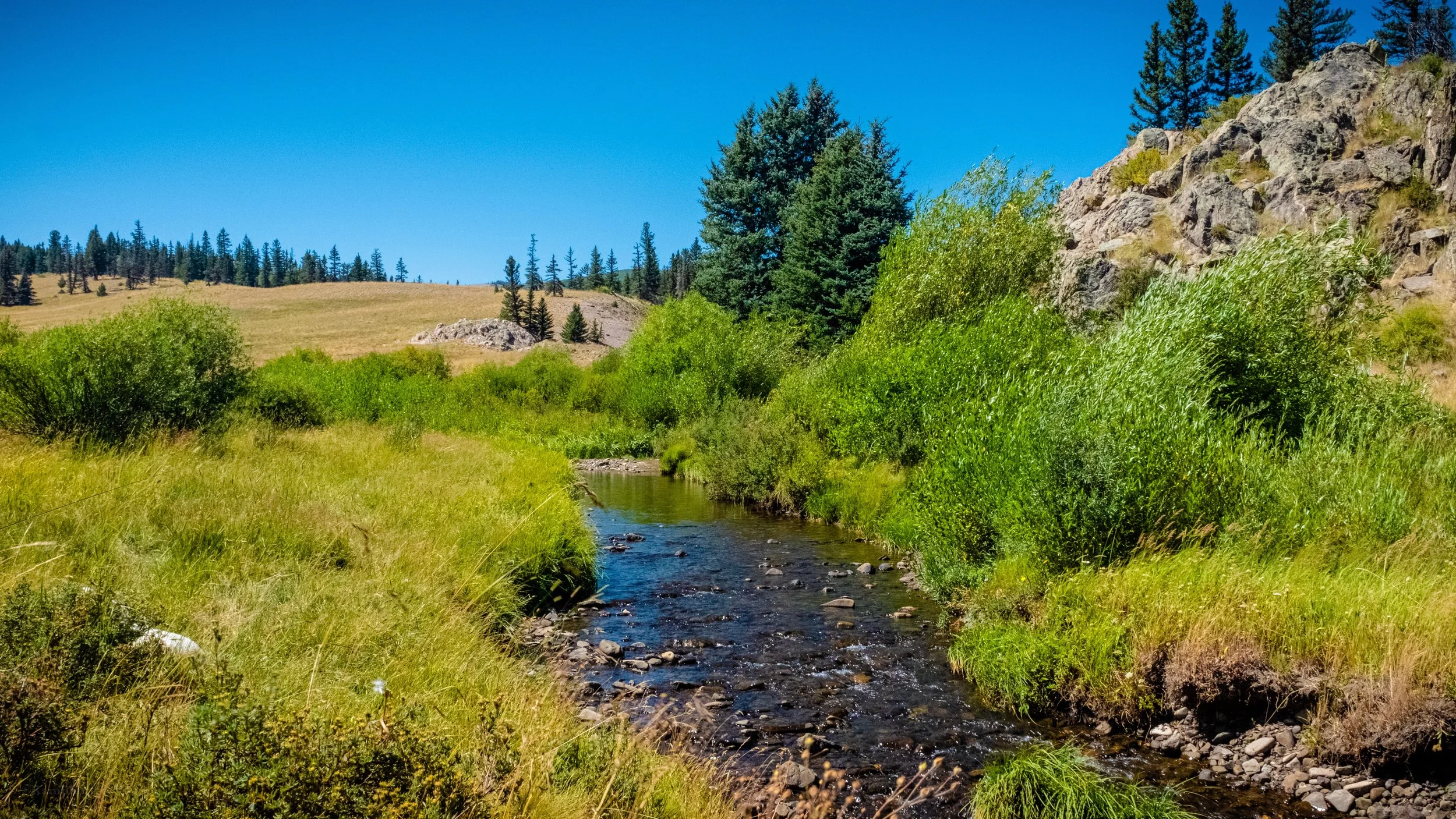
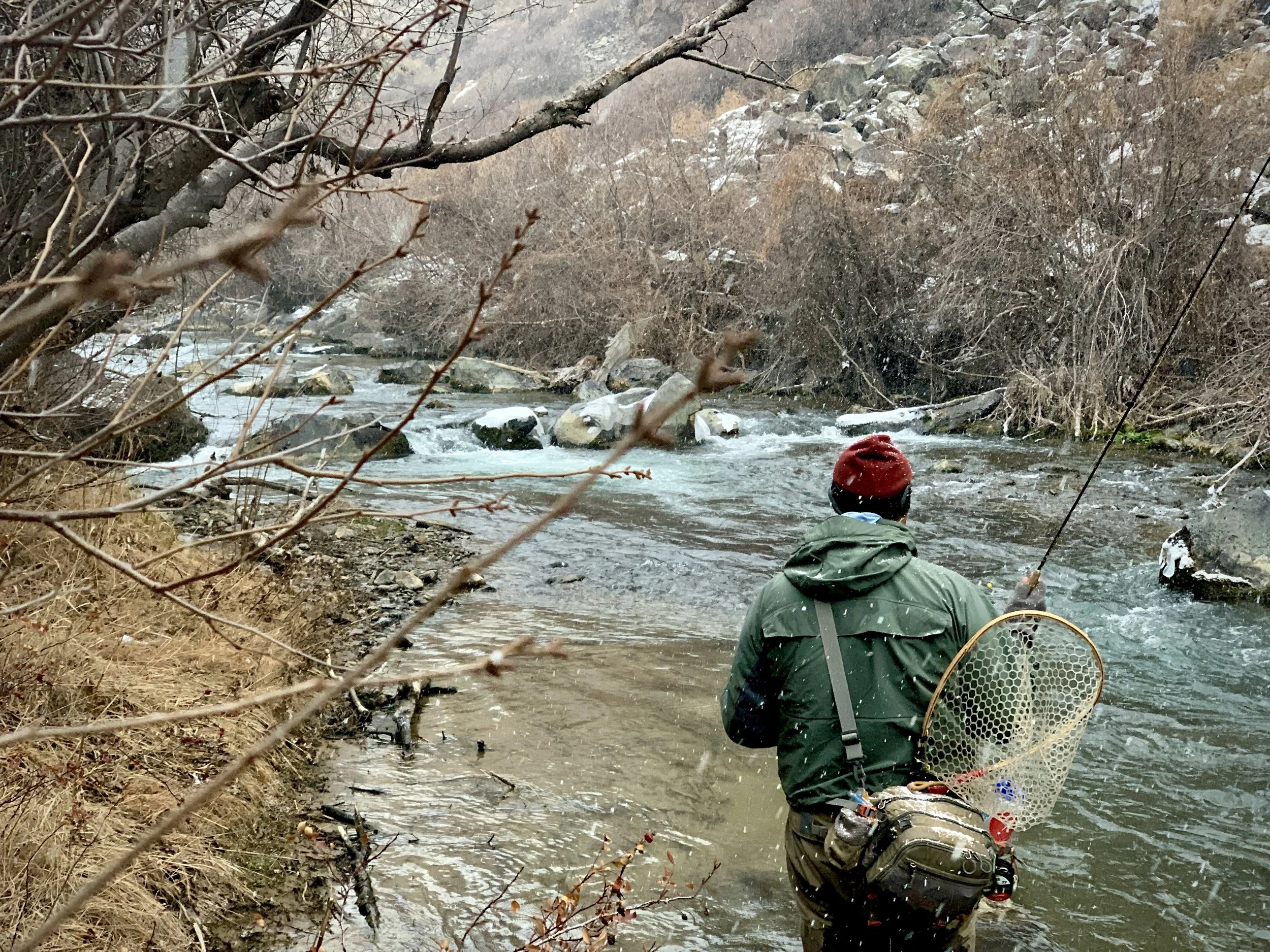
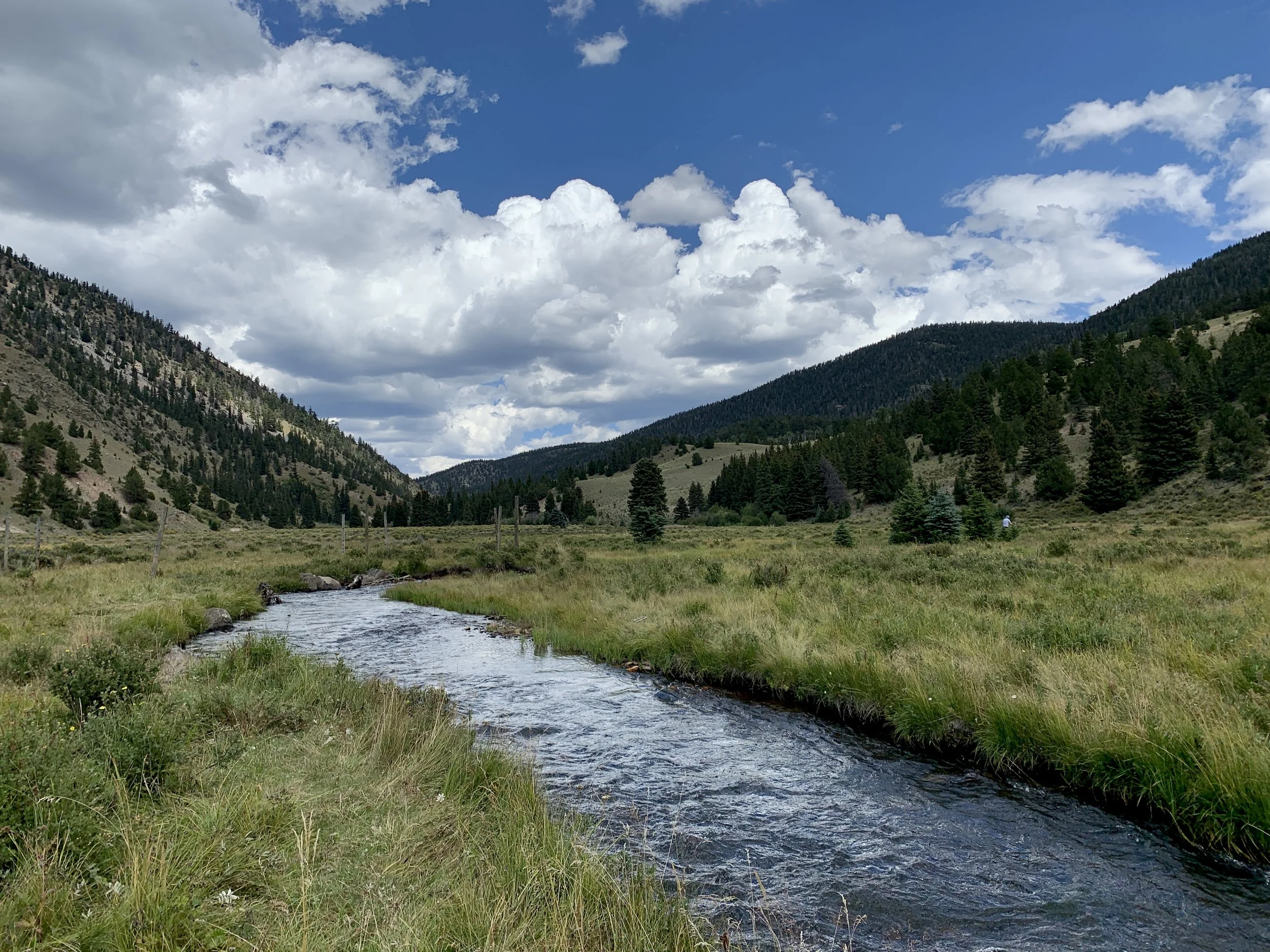
The Rio Costilla is a small tributary to the Rio Grande that has some of the best small mountain stream access. Mostly a meadow stream, the Rio Costilla is about as picturesque of a fishery as you can get. With many willing trout, and alot of our native Rio Grande Cutthroat Trout, its hard not to enjoy a day on the Costilla. We can only fish the RCCLA stretch April-June, and then we can start to adventure up into the Valle Vidal(The Valley of Life) when it opens July 1st. If you were to look up the term “God’s Country”, you’d probably get a photo of the Valle Vidal in return. It’s truly a special place.
Check out the current flows for The Rio Costilla on the USGS website, links below.
Rio Costilla - Below Costilla Dam